

Best Baseball Caps for Effortless Everyday Style
2026-08-13
Finding the perfect baseball cap isn't just about shielding your eyes—it's about finishing an outfit without overthinking it. Whether you're running errands or meeting friends for coffee, the right cap adds that laid-back edge. At 4ugear, we've curated a collection that blends comfort, durability, and timeless design, so you can grab one and go. Here's what to look for when building your everyday rotation.
The Unassuming Cap That Elevates Any Outfit
Some hats sit in the closet waiting for a special occasion, but this one has a way of making an ordinary Tuesday feel intentional. The brim is shaped just enough to frame the face without shouting for attention, and the fabric holds its structure through long commutes and unexpected weather. It doesn't hide your outfit—it quietly pulls the whole thing together, as if you planned it all along even when you didn't.
What sets it apart is how little it asks of you. Throw it on with a blazer and broken-in denim, or let it contrast with a flowy summer dress; either way, it adds a layer of ease that reads as confidence. The color was chosen to work with the tones already living in your wardrobe, not against them, so you reach for it without overthinking. It's the kind of piece that becomes a quiet signature—not because it's loud, but because it fits.
After weeks of daily wear, the cap softens in all the right places, taking on a subtle character that feels personal. The stitching stays clean, the seams don't dig, and the inside band never leaves a mark. More than an accessory, it becomes a shortcut to looking finished when the rest of the morning is still catching up with you.
Finding the Perfect Fit Without Overthinking It
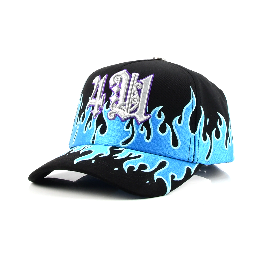
The search for the right thing often turns into an exhausting loop of comparisons, spec sheets, and second-guessing. But the truth is, overanalyzing rarely leads to a better choice—it just creates noise. Instead of chasing some mythical ideal, start by narrowing down what actually matters to you in everyday use. Strip away the bells and whistles you'll never touch, and focus on the two or three features that will genuinely shape your experience. Once you identify those non-negotiables, the rest becomes background chatter.
A practical trick is to set a time limit for your decision. Give yourself a day or two to gather basic information, then trust your gut on what feels comfortable and familiar. The goal isn't to find the objectively best option on paper—it's to find the one that fits your real life without requiring a manual or a week of adjustment. If something doesn't click within the first few minutes of use, it's not the right fit, no matter how many five-star reviews it has.
Finally, remember that most choices are reversible enough to correct later. The fear of making a wrong move often paralyzes us more than the actual consequences. Pick the option that feels natural now, use it fully, and if it falls short, you'll have a much clearer picture of what to look for next time. Perfection isn't a destination; it's a moving target that you can only hit by actually moving forward.
Why a Slightly Worn Brim Looks Better Than a Crisp One
A brim with a touch of wear carries a quiet confidence that a perfectly crisp one rarely matches. The tiny scuffs, the faint curve from being handled, the way the edge softens under repeated touch—these details read as lived-in rather than neglected. A crisp brim, by contrast, can look like a costume piece waiting for its first outing; it hasn't yet learned the shape of your hand or the angle of your head.
There's also a practical reason the worn brim wins. Once the brim relaxes, it stops fighting your face. It casts a more forgiving shadow, sits lower without looking sloppy, and frames your eyes instead of hovering like a shelf. That slight asymmetry—whether from a rain shower or a habitual tilt—gives the hat a presence that no factory crease can imitate.
The Art of Pairing a Cap with Non-Athletic Wear
There’s a particular satisfaction in taking an object meant for the gym or the ballpark and dropping it into a look that has nothing to do with either. A cotton twill cap worn with a long wool overcoat doesn’t try to match; it nudges the outfit toward the unexpected. The trick is not to hide the cap’s utilitarian roots but to let them brush up against something polished—a slip dress, a double-breasted blazer, even a pair of tailored trousers with loafers.
Fabric and shape matter more than color. A structured, low-profile cap in brushed cotton or fine corduroy settles easily beside cashmere or silk, while a high, stiff crown with a plastic snapback tends to fight the rest of the outfit. Avoid anything with a prominent performance logo unless you’re deliberately playing with irony—and even then, a faded, beaten-in cap reads far better than a shiny new one. The goal is a kind of quiet friction: the cap should look chosen, not forgotten.
For proportions, keep the cap’s brim roughly parallel to the ground and don’t tuck it behind your ears like you’re mid-workout. If your outfit already has strong lines—a long trench, a column dress—a cap with a slightly curved brim softens the whole without collapsing it. And don’t overthink matching: a deep green cap with a camel coat or a cream cap with an all-black ensemble often works harder than a perfectly color-coded option.
How a Simple Cotton Cap Became the Ultimate Wardrobe Neutral
It wasn't a runway moment or a celebrity endorsement that pushed the humble cotton cap into fashion's spotlight. Instead, it crept in quietly—first on the heads of delivery drivers and dog walkers, then on stylists rushing between shoots. The cap's unfussy shape and breathable fabric meant it survived laundry cycles and lost its shape only gradually, which oddly made it look even better. By the time high-end brands started selling plain versions at triple-digit prices, the cotton cap had already earned its place as a daily staple, not because it was trendy, but because it never tried to be.
What makes a piece of clothing a true neutral isn't just its color—it's its ability to disappear into an outfit while still doing its job. A simple cotton cap does exactly that. No logos, no flashy hardware, no exaggerated brim. It sits low on the forehead, shades the eyes, and tames unwashed hair without announcing itself. That quietness lets it slide beside a tailored blazer, a worn-in denim jacket, or a track suit without creating friction. It doesn't compete with the rest of your clothes; it just completes them.
The practical side matters too. Unlike wool or leather caps that demand seasonal rotation, a cotton cap works almost year-round—cool enough for summer walks, substantial enough to cut the chill on a breezy morning. It packs flat in a carry-on, dries overnight after a surprise rain, and picks up character with every wash. Over time, the fabric softens and the brim bends to your grip, turning a mass-produced item into something that feels uniquely yours. That slow personalization is what finally pushed it from a convenient cover-up to the one accessory you reach for without thinking.
The Subtle Details That Make a Basic Cap Feel Special
The first thing you notice isn't the logo or the color—it's the way the brim curves just slightly at the edges, as if it's been broken in by someone who actually wears it daily. That little bend catches the light differently than a stiff, straight visor ever could. It's not something you see in product photos, but once you hold it, you understand why people keep reaching for the same hat year after year.
Turn it inside out and the story continues. The seams aren't just taped—they're folded flat and double-stitched with thread that blends into the fabric, so nothing scratches your forehead after an hour. The sweatband is cut from a brushed cotton that feels more like a worn-in t-shirt than the shiny polyester you'd expect. Even the ventilation holes are punched at a slight angle, letting air flow without letting rain in.
Then there's the back closure, usually an afterthought on most caps. Here it's a metal slide that locks with a soft click, not a plastic snap that cracks after one summer. The strap ends are heat-sealed just enough to prevent fraying, but the edges still have a slight tactile grip. It's these quiet refinements—the weight of the buckle, the depth of the crown, the way the fabric holds its shape after being crumpled in a bag—that turn a simple five-panel into something you'd miss if it were gone.
FAQ
Look for faded cotton, a slightly curved brim, and a low-profile crown. These details keep the cap feeling broken-in and casual rather than like game-day gear.
Stick to muted neutrals like dusty navy, olive, or washed black. They pair easily with denim, tees, and light jackets and never fight with what you're already wearing.
Soft, garment-washed cotton or cotton-twill blends are the sweet spot. They breathe well, soften over time, and don't have that stiff, shiny look that cheaper caps often carry.
Definitely. Try one with a relaxed blazer, a knit polo, or a simple chore coat. The key is keeping the cap's shape understated so it blends in instead of standing out.
A fabric strap with a metal or leather slide is usually more comfortable and durable than plastic snapbacks. It also gives a cleaner, less plasticky finish at the back.
Generally yes. Unstructured or lightly structured caps have a softer front that molds to your head shape over time, which reads more personal and less like a brand-new uniform piece.
Spot-clean the sweatband with a damp cloth, let it air dry away from direct heat, and avoid machine washing unless the label says otherwise. That keeps the fabric and shape intact longer.
If you wear it regularly, yes. Better stitching, nicer fabric, and a well-shaped brim mean it will hold its look and feel for seasons instead of losing its shape after a few washes.
Conclusion
A great baseball cap rarely shouts for attention. It sits low on the forehead, shades your eyes, and somehow makes a plain tee and jeans look deliberate rather than lazy. The real trick is fit: you don't need to overthink it, but the crown shouldn't balloon or pinch, and the brim should sit just above your brow without swallowing your face. And here's a secret nobody tells you—a slightly worn brim, with a soft curve and a few faint scuffs, feels far more natural than a stiff, factory-fresh one. That lived-in edge is what separates a cap that looks like an afterthought from one that feels like part of your uniform.
Pairing a cap with non-athletic clothing isn't about forcing contrast; it's about letting the cap act as a neutral. A simple cotton style in a faded navy, olive, or off-white works with a chore coat, a knit polo, even a casual blazer, because it borrows from workwear rather than sportswear. Pay attention to the small stuff: a slightly unstructured crown, a strap with a metal buckle instead of plastic, a tonal embroidered logo instead of a loud patch. These details make a basic cap feel special without screaming for attention. That's the whole point—the best everyday baseball cap doesn't complete your outfit as much as it quietly holds it together.
Contact Us
Contact Person: Tommy
Email: [email protected]
Tel/WhatsApp: 8613546956008
Website: https://www.4ugearsupply.com/