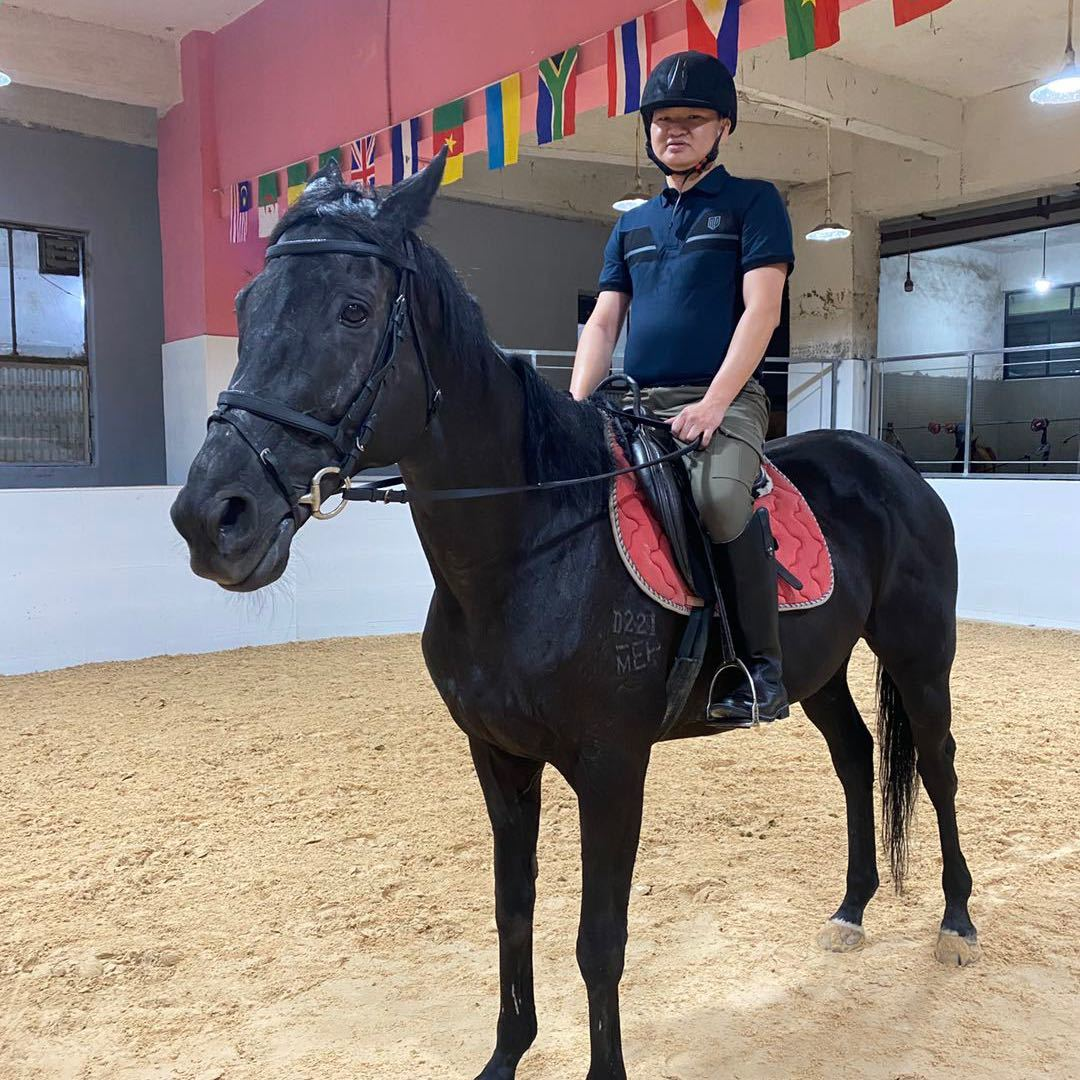

Horse Riding Wear Export: Strategies for Global Market Growth
2026-06-03
The global equestrian apparel market is galloping toward unprecedented growth, but breaking into international markets demands more than just quality riding wear. For exporters, navigating diverse regulations, cultural preferences, and competitive landscapes can feel like a complex dressage test. At OpeEquestrian, we understand that every stitch and seam must speak the language of global riders. This blog unpacks proven strategies to help your brand trot confidently into new territories, turning challenges into opportunities for sustainable export success.
Equestrian Style Without Borders: Adapting to Regional Tastes
Equestrian style has never been confined by geography. From the sun-scorched estancias of Argentina to the misty moorlands of Scotland, riders and designers have shaped this aesthetic to fit local traditions, climates, and cultural sensibilities. What remains constant is the reverence for craftsmanship and the intimate bond between horse and human, yet the expressions vary wildly. Argentine gauchos, for example, prize rugged leatherwork and silver-embellished belts that reflect a pastoral life, while English country attire leans into tweed, wool, and muted tones suited for damp, chilly pursuits. This cross-pollination ensures the look stays vibrant, never static.
In Italy, equestrian cues merge with la dolce vita. Tailored jackets swap stiff formality for soft, unstructured silhouettes that move gracefully in the saddle and beyond. Buttery leather bags echo saddlery stitching, but are adapted for urban commutes. Japan offers another lens, stripping away ornamentation to focus on minimal, high-performance fabrics and crisp lines that honor the discipline’s martial origins. Scandinavian interpretations often incorporate sustainable materials, blending function with a clean, understated palette that mirrors the region’s design ethos.
This constant adaptation is what keeps equestrian style borderless. It absorbs local flavor while staying true to its roots in motion and utility. There is no single rulebook—just a shared language of quality materials, functional details, and a dash of heritage. Whether through the bold patterns of Middle Eastern riding shawls or the refined simplicity of French equestrian chic, each regional take adds a fresh chapter to an old story.
The Fabric of Trust: Why Technical Textiles Win Contracts
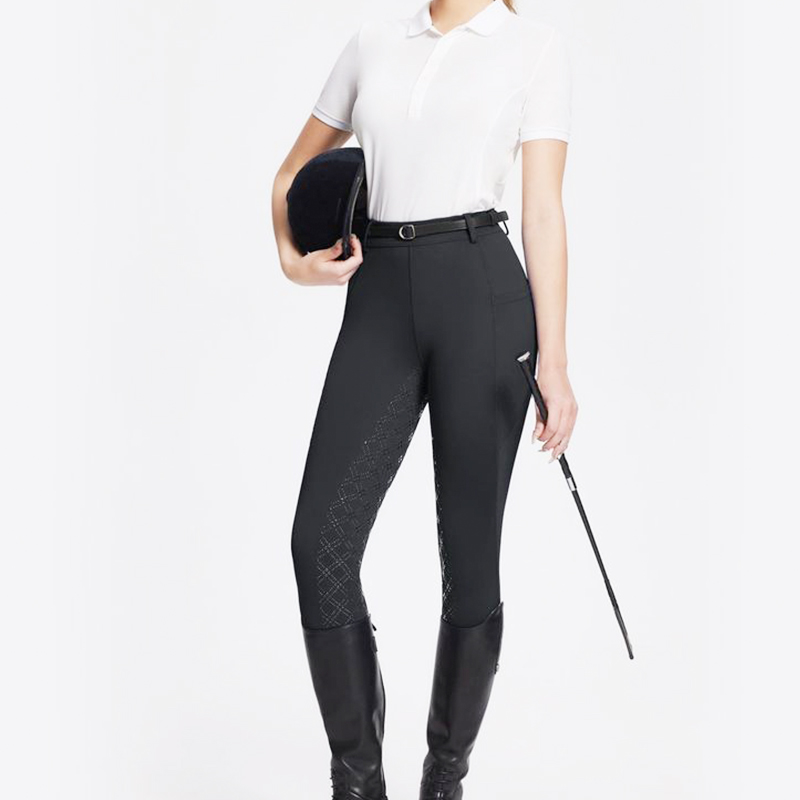
In high-stakes industries, decision-makers don’t just buy materials—they invest in certainty. Technical textiles earn that trust because every fiber is engineered to perform under pressure. Whether it’s flame-resistant fabrics in aerospace or antimicrobial layers in healthcare, these materials carry documented proof of reliability. When a contract is on the line, specifiers reach for solutions that have already passed the hardest tests—lab simulations, field trials, years of consistent performance data. It’s not about promising durability; it’s about proving it before the first prototype even exists.
Beyond certifications, there’s a quieter signal of trust: repeat business. Architects, procurement leads, and engineers rarely switch from a technical textile supplier once they’ve seen a project succeed without material failure. This loyalty is built on predictability—the knowledge that a given membrane will behave identically in Dubai’s heat and Reykjavík’s damp, that tensile strength won’t degrade unexpectedly. Contracts go to the team that can say, “We’ve done this a thousand times, and here’s the data to back it up.” The fabric itself becomes a silent partner in risk management, absorbing liability where other materials court disaster.
Trust also grows through collaboration. The winning bidders don’t just deliver rolls of textile; they embed their expertise early in the design phase. A technical textile specialist might help an architect rethink a canopy’s wind load, or assist a surgeon in testing a new implant mesh. Clients notice when a supplier’s input prevents costly respecifications or failure analysis meetings. Over time, that proactive involvement reframes the textile from a commodity to a strategic asset—one that consistently tips the scales when contracts are awarded.
From Niche to Necessary: Making Riding Wear a Lifestyle Export
Riding wear has never been just about function—it's a statement of identity that has quietly shaped subcultures for decades. What was once confined to specialist boutiques and discreet online forums is now crossing into mainstream consciousness, driven by a global appetite for authenticity. People aren't simply buying protective gear; they're investing in a look that says something about who they are, whether they've ever swung a leg over a motorcycle or not.
The shift from niche utility to lifestyle export didn't happen overnight. It took a convergence of fashion's cyclical nature, the rise of heritage branding, and a craving for durable, purpose-built clothing in a world of fast, disposable trends. Riding wear, with its emphasis on materials like waxed cotton and reinforced stitching, fits perfectly into the narrative of mindful consumption. It's tough, it ages beautifully, and it carries stories—even if those stories are borrowed.
Exporting this culture means packaging more than just jackets and boots. It's about exporting an attitude, a sense of freedom and rebellion that translates across borders. In cities from Tokyo to Berlin, you see people integrating riding-inspired pieces into everyday wardrobes, blending the rugged with the refined. This isn't about pretending to be a rider anymore; it's about adopting the spirit and letting it evolve into something new, something that feels distinctly personal yet universally understood.
Galloping Digital Plains: Social Selling in the Horse World
In the vast arena of equestrian commerce, social media has become a virtual pasture where breeders, trainers, and riders converge. Platforms like Instagram and TikTok aren't just for sharing slow-motion canter videos—they're now the primary marketplaces for horse sales, saddlery, and even syndication shares. A well-timed story of a foal's first lunge can spark a bidding war faster than any auctioneer's chant, blending emotion with entrepreneurship in a way traditional listings never could.
What sets successful equestrian sellers apart isn't just glossy photos or pedigree charts—it's the narrative they weave around each animal. Buyers crave connection, so savvy sellers showcase the horse's personality through candid moments: a curious sniff at the camera, a playful splash in a water trough. This transparency builds trust and often leads to sales long before a vet check is scheduled. It’s less about the hard sell and more about inviting people into the barn, virtually, to fall in love.
The shift toward social selling has also democratized the horse world, allowing small breeders to compete with established barns. A compelling Facebook post or a viral reel can put a backyard operation on the map, reaching buyers across continents. Yet, this digital gallop comes with risks—misrepresentation and impulse purchases are real concerns. As the industry canters forward, the balance between storytelling and integrity remains the fence we all must clear.
Green Pastures: How Sustainability Opens New Export Doors
For many producers, embracing green methods has quietly shifted from a niche differentiator to a baseline requirement in international markets. Buyers in Europe and North America are increasingly filtering their sourcing through environmental criteria, and those who can demonstrate lower carbon footprints or responsible resource use often find themselves shortlisted where others are passed over. This isn’t about marketing gimmicks; it’s about meeting contract specifications that now routinely ask for water stewardship data or proof of reduced chemical inputs.
The real opportunity lies beyond compliance. When exporters embed sustainability into their operations early, they gain the chance to shape premium positioning before a segment gets crowded. A coffee cooperative in Colombia, for example, secured multi-year agreements at higher fixed rates after investing in agroforestry that sequesters carbon and protects native species. The certification paperwork was only the key—the door opened because their story resonated with importers seeking genuine supply chain resilience, not just a label.
Beyond the Saddle: Tapping into the Luxury Equestrian Traveler
Luxury equestrian travelers seek more than a well-trained horse and scenic trails. They crave immersion into the heritage and artistry of horsemanship—private tours of historic breeding farms, behind-the-scenes access to elite competitions, and evenings spent in finely appointed lodges where every detail echoes the equestrian world.
From stables that rival five-star hotels to gourmet picnics set up beside ancient ruins, the offerings must transcend the ordinary. Think sunrise rides through vineyards followed by private wine tastings, or custom itineraries that combine polo lessons with spa treatments designed specifically for riders.
Ultimately, it’s the intangible luxuries—the unhurried pace, the insider knowledge of a local guide who knows every hoofbeat of the land, and the sense of belonging to a secret society of horse lovers—that turn a trip into a lifelong memory. Tapping into this market means curating moments that can’t be googled or replicated.
FAQ
Rising interest in leisure riding, combined with growing disposable incomes and equestrian sports' inclusion in regional competitions, has sparked fresh demand. Countries like China and India are seeing more riding clubs, which creates a need for both performance and casual wear that meets international safety standards without sacrificing local flair.
It's about understanding the nuances — Middle Eastern markets might favor modest cuts and lighter fabrics, while Asian consumers often appreciate intricate embroidery that nods to local heritage. Successful exporters collaborate with regional designers to tweak classic silhouettes, ensuring the gear feels familiar yet exclusive.
Certifications like CE or UKCA aren't just checkboxes; they're trust signals. For markets like the EU, having ISO-compliant impact protection in riding vests or UV-resistant fabrics is non-negotiable. Smart exporters treat these as marketing assets, highlighting the rigorous testing that goes into each garment.
Selective partnerships with high-end equestrian boutiques and tack shops keep the brand aspirational, while offering exclusive regional collections prevents direct competition between channels. Some companies also use pop-up events at major horse shows to test markets before committing to permanent distribution.
Offering made-to-measure services or modular designs — like interchangeable linings or adjustable knee patches — turns a one-time purchase into a long-term relationship. This approach reduces returns and builds loyalty, especially among professional riders who demand gear that adapts to varied climates and disciplines.
Transparency beats vague greenwashing. Detailing specific steps — such as using recycled polyester from ocean plastics for show jackets, or biodegradable packaging with seed-infused tags — resonates more. Partnering with animal welfare organizations to ensure leather is a byproduct of the food industry also helps validate responsible sourcing.
Virtual fitting rooms using augmented reality and AI-driven size prediction lower the barrier for international customers. Micro-influencers within niche disciplines like endurance riding or para-equestrianism often have higher engagement than generic ambassadors, creating authentic buzz without massive ad budgets.
Conclusion
Exporting riding wear is no longer just about crafting durable breeches and jackets; it’s about reading the cultural room. In some markets, muted earth tones and classic cuts signal heritage and reliability, while others demand bold patterns and modern silhouettes that transition effortlessly from the stable to the street. Smart exporters aren’t pushing a one-size-fits-all collection—they’re partnering with local retailers to tweak palette, fit, and even pocket placement, turning regional quirks into loyal followings. Underpinning this tailored approach is a quiet revolution in textile engineering. Buyers increasingly vet suppliers by fabric performance first: four-way stretch that moves with the body, moisture-wicking layers that stay dry during a cross-country round, and abrasion resistance tested beyond lab standards. When a contract rests on a rider’s split-second safety, technical textiles stop being a selling point and become the foundation of trust.
What really shifts the needle, though, is reframing riding wear as a lifestyle category rather than a sporting afterthought. Through savvy social content—think sponsored reels of real riders schooling at dawn, not staged catalog shoots—brands are nurturing communities that wear their breeches to brunch and their base layers off the horse. This organic visibility dovetails with a rising sustainability standard: traceable organic cotton, recycled polyester fleece, and waterless dye processes are opening doors with eco-conscious distributors across Europe and North America. At the premium end, the explosive growth of luxury equestrian tourism creates a parallel export lane. High-net-worth travelers planning polo getaways in Argentina or pony treks in Iceland will happily invest in packable, tech-forward wardrobe pieces that promise both performance and cachet. The smartest exporters are blending all these threads—cultural agility, textile integrity, lifestyle appeal, digital storytelling, green credentials, and travel-minded design—to forge a resilient global presence that keeps their brands firmly in the saddle, no matter which border they cross next.
Contact Us
Contact Person: Keven Tong
Email: [email protected]
Tel/WhatsApp: +86 18666477707
Website: https://www.ope-technology.com