

Silicone Swim Fins Original Manufacturer Insights for Choosing Quality Gear
2026-11-19
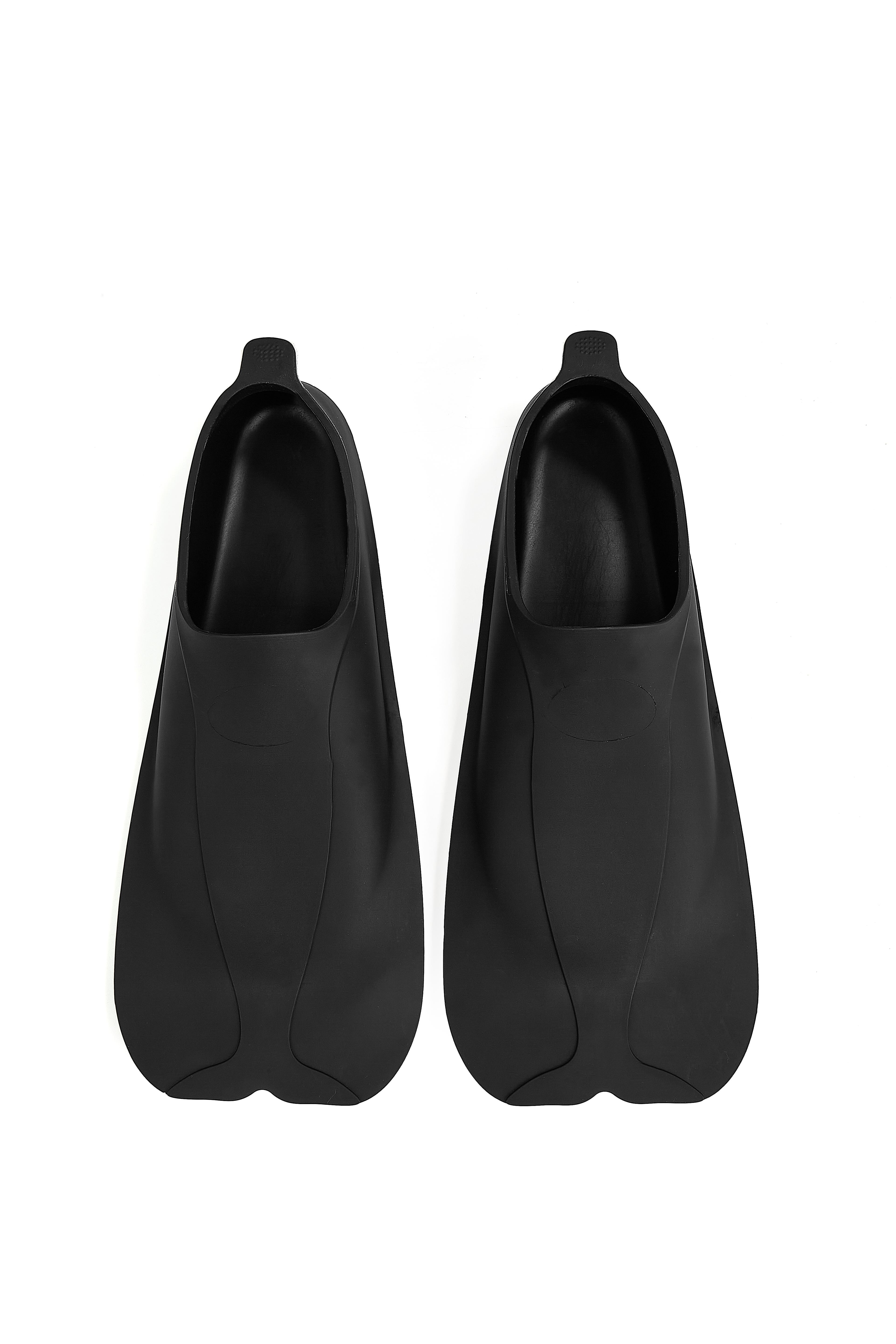
Ask any swimmer what goes wrong with cheap fins, and you’ll hear the same complaints: cracks, blisters, lost propulsion. What you won’t hear is why those failures happen at the manufacturing stage. OCORT’s original manufacturer perspective cuts through that gap, so you can judge silicone swim fins on the details that actually predict quality and comfort.
What a mold maker notices about fins that reviewers miss
Most reviewers look at fin count, spacing, and whether the edges feel sharp. A mold maker tends to look first at where the parting line falls. If that line runs along the tip of a thin fin, there is often a faint witness mark or a slight mismatch that nobody mentions in a written review but becomes obvious under angled light.
Draft angle is another thing that gets skipped. To a mold maker, a fin that releases cleanly needs a small taper, and the amount of taper changes how the root blends into the body. Too little draft can leave drag marks or stress whitening; too much can thicken the base and alter stiffness in ways that a spec sheet never captures.
Then there are gate vestiges and flow lines. A mold maker notices whether the gate was placed on a cosmetic surface or tucked into a corner, and whether the melt front met at the end of a fin where a weak knit line might hide. These details rarely show up in reviews, but they say more about long-term consistency than most headline numbers.
Why silicone rebound matters more than Shore hardness
Shore hardness tells you how a silicone feels when you press into it, but it doesn't say much about how the material behaves once the pressure is removed. In dynamic sealing or cushioning applications, a gasket that deforms and then creeps back slowly can create leaks or lose contact long before the hardness rating suggests a problem. Rebound, or resilience, measures that return of energy and shape, and it often exposes differences between formulations that share the same durometer number.
A harder silicone can still have poor rebound if it is heavily filled or under-cured, which means it may pack out under repeated compression and stop recovering. That is why engineers tend to watch rebound, compression set, and recovery time together. The Shore scale is useful for a quick material sort, but the real performance question is whether the part keeps pushing back after thousands of cycles.
The strap junction is the first place cheap batches reveal themselves
Look past the dial for a minute. The point where the strap enters the lugs is usually the first honest surface on a watch. On better batches, the gap is even and slim, and the finish runs cleanly into the shadow instead of changing texture halfway. Cheap production tends to hide rough cuts under extra coating or a slightly thicker edge, and that becomes obvious as soon as you tilt the piece under a direct light.
Press the junction lightly with your thumb and move the strap back and forth. A well-fitted end will feel dense, with no click or faint shifting before the spring bar flexes. On lower-grade batches, you will often catch a tiny lip of unfinished material, a trace of adhesive near the hole, or plating that has already bubbled around the pin. Those flaws are not from wear. They were in the mould from the start.
Pay attention to the hardware around the hole as well. Clean production gives the opening a slight bevel so it does not bite into the pin, and the metal colour stays consistent with the buckle. Cheaper units usually use a softer alloy that picks up scratches and dull spots within days. If that area looks aged while the rest of the strap is still fresh, the problem did not begin with how it was worn.
A simple stretch test that shows filler content without a lab
Rubber bands, plastic wrap, or even a torn strip from a grocery bag can reveal how much filler sits inside a material without touching a single piece of lab equipment. Pinch the sample between your thumbs and pull slowly. A high-filler product often snaps early with a chalky, uneven break, while a cleaner material stretches into a long, smooth neck before letting go.
Watch the edges as you pull. Cheap fillers tend to create tiny white stress marks or a cloudy haze near the tear, almost like the material is fighting itself. If the surface roughens and sheds fine dust on your fingers, that is another giveaway: pure polymers usually stay slick and quiet under tension.
Do the same test after flexing the sample a few dozen times. Filler-heavy blends degrade fast, turning brittle at the crease and cracking with little resistance. A low-filler or unfilled sheet will soften slightly but keep its stretch, which tells you more in ten seconds than most datasheets ever will.
When a visible parting line is actually a good sign
A parting line is often treated like a manufacturing scar, but a clean, consistent seam can point to a mold that was aligned with care. When the line follows a natural contour instead of wandering across the surface, it suggests the two halves of the tool closed evenly and the material filled the cavity without fighting the geometry.
That visible mark can also be a form of honesty. Rather than hidden under heavy paint or filler, the seam shows the object was not overworked to disguise a deeper problem. On older toys, hand tools, and rugged cases, a crisp line often adds a sense of utility, suggesting function was placed above cosmetic concealment.
If the line is straight, balanced, and sits where two surfaces naturally meet, there is little need to reach for sandpaper. In those cases, the parting line is not a flaw to erase but a record of controlled tooling and predictable material flow.
How batch-level consistency shapes what you feel on every kick
A kick drum sample rarely lives alone. It carries the fingerprints of the batch it was rendered in, from the exact trim of the transient to the way low-end decay was printed. When that batch is consistent, every hit lands with the same center of gravity. Your ears might not name the difference, but your chest notices it before your brain does.
That consistency matters most when you start layering or shaping the kick. A tight batch means the attack, sustain, and release behave predictably under compression and transient designers. One slightly shorter tail or a few milliseconds of shifted phase can make a pattern feel like it is stumbling, even if the individual samples sound fine on their own.
Over a full track, this is what separates a low end that feels locked from one that feels vaguely unstable. You are not just choosing a kick. You are choosing the invisible tolerances around it, and those tolerances shape every kick you feel.
FAQ
Genuine versions usually rely on food-grade or medical-grade silicone with a consistent shore hardness, so the blade flexes evenly without collapsing. Cheaper copies often blend silicone with fillers, which shows up as a greasy surface, uneven color streaks, or a rubbery smell that lingers.
A proper factory uses foot pocket molds based on real foot scans rather than a single generic last. They also test the heel strap tension across multiple sizes, which reduces heel slip and pressure points more than just softening the silicone.
That is often a sign of a temperature-sensitive silicone formulation. Quality manufacturers tune the compound to perform around typical pool or open-water temperatures, so the blade should become slightly more responsive when wet, not dramatically change stiffness.
Look for smooth, slightly thickened rails that channel water without fluttering. Original manufacturers typically polish the mold parting lines and add a subtle taper toward the tip, which gives propulsion without making the kick feel heavy.
It matters more than most people think. If panels are joined after partial curing, they can separate where the color changes. Reliable production bonds layers during the curing stage so the transition remains flexible and does not peel.
Yes, many original manufacturers can adjust the silicone durometer, shorten the blade, or change the foot pocket volume for specific training or therapy needs. The key is asking for a sample batch first, because small formula tweaks can shift the feel noticeably.
With daily pool use, the foot pocket should stay tear-free for at least a year, and the blade should not develop white stress creases within a few months. Fading is normal, but cracking, sticky patches, or permanent deformation usually point to filler-heavy silicone.
The exact blend, curing time, and mold temperature are part of what makes their gear consistent. Sharing the formula would not help a buyer judge quality anyway; asking for durometer range, tensile strength, and tear resistance gives more useful information.
Conclusion
When you hold a pair of silicone fins made by a factory that actually specializes in molding them, the first things you notice are rarely the features that show up in customer reviews. A mold maker looks at how the material flows into the foot pocket, whether the strap junction has been reinforced without creating a hard seam, and how cleanly the silicone recovers after you flex it. Rebound matters more than a Shore hardness number because two compounds can read the same on a durometer yet behave completely differently after a few hundred kicks. The strap junction is where inexpensive batches tend to show their limits early: if the blend is too stiff or the overmolding is rushed, that narrow area will tear or whiten under repeated tension long before the blade loses shape.
There is a quick field test that tells you a lot about filler content without lab equipment. Grip the blade and pull slowly; high-filler silicone tends to turn pale at stress points and may not snap back crisply, while a cleaner compound stretches evenly and returns almost instantly. A visible parting line can actually be reassuring if it is thin and consistent, because it means the mold was closed with controlled pressure and the trim step was not hiding sloppy flash. What you feel on every kick is not shaped by one good pair from a sample run but by how tightly the factory holds batch-level consistency. When the cure time, pigment load, and mixing temperature stay within a narrow window, fin after fin flexes the same, and that predictability is the real difference between gear that lasts and gear that just looks right in a photo.
Contact Us
Contact Person: Wendy
Email: [email protected]
Tel/WhatsApp: 86 18807398467
Website: https://www.zlfswim.com