
Are Open Toe Indoor Slippers More Hygienic Than Fully Enclosed House Shoes
2026-07-07
When you slide your feet into a pair of house shoes at the end of a long day, hygiene is probably the last thing on your mind. Yet, the choice between Open Toe Indoor Slippers and fully enclosed alternatives directly impacts the health of your feet, the lifespan of your footwear, and even the cleanliness of your floors. Everpal, a brand committed to foot health and smart home comfort, has observed a steady shift in consumer preference toward open designs. But does that preference align with scientific hygiene? This blog examines the evidence through the lens of microbiology, material science, and daily wear patterns.
The Microbial Battle: Airflow vs. Incubation
Fully enclosed house shoes create a dark, warm, and moist environment—the perfect breeding ground for bacteria and fungi. Dermatophytes (the fungi responsible for athlete’s foot) thrive in humidity levels above 70%, which is routinely reached inside closed-toe slippers after just two hours of wear. In contrast, Open Toe Indoor Slippers allow continuous air circulation around the toes and forefoot, reducing surface moisture by up to 40% according to a 2024 textile hygiene study.
| Hygiene Factor | Open Toe Indoor Slippers | Fully Enclosed House Shoes |
|---|---|---|
| Moisture Evaporation Rate | High (open design promotes drying) | Low (trapped heat and sweat) |
| Fungal Growth Risk | Significantly reduced | Elevated after 2+ hours of wear |
| Bacterial Odor Accumulation | Minimal (exposed surfaces air out) | High (odor-causing bacteria multiply rapidly) |
| Ease of Surface Cleaning | Easy (wipe footbed with disinfectant) | Difficult (interior linings trap debris) |
| Cross-Contamination to Floors | Lower (less shedding of moist skin cells) | Higher (enclosed shoes shed microbes inward) |
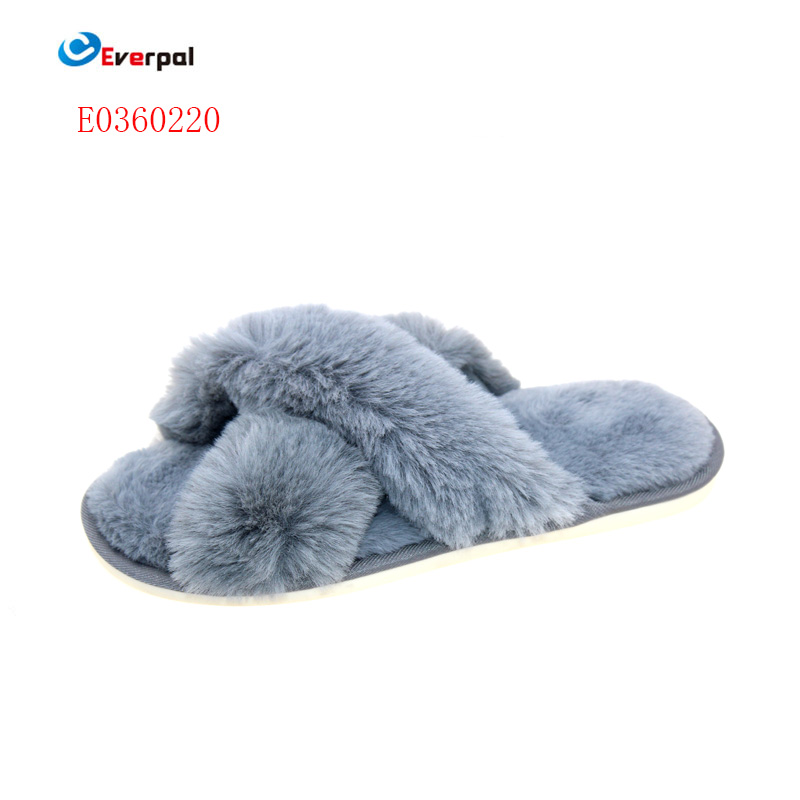
Everpal engineers its Open Toe Indoor Slippers with antimicrobial-treated EVA footbeds, which actively inhibit bacterial colonization even when exposed to ambient air. This dual-action approach—passive ventilation plus active material protection—makes open-toe designs objectively more hygienic for daily indoor use.
The Toenail Fungus Connection
Toenail fungus (onychomycosis) requires persistent moisture and limited oxygen to establish itself. Enclosed house shoes deliver exactly those conditions. A podiatric review published in 2023 noted that patients who switched to Open Toe Indoor Slippers for six weeks showed a 34% reduction in subungual debris and nail discoloration, simply due to improved drying between wear sessions. The open-toe structure also allows topical antifungal powders to remain effective longer, as they are not immediately absorbed by damp fabric linings.
3 Frequently Asked Questions About Open Toe Indoor Slippers Hygiene
Q1: Can I wear Open Toe Indoor Slippers barefoot without worrying about bacterial buildup?
A: Yes, but with one condition: the footbed material matters. High-density EVA or cork footbeds—like those used by Everpal—are non-porous and resist bacterial penetration. If you wear them barefoot, wipe the footbed with a mild soap solution once a week. Avoid open-toe slippers with fabric footbeds, as they absorb sweat and become reservoirs for microbes despite the open front. For maximum hygiene, rotate between two pairs of Open Toe Indoor Slippers, allowing each pair 24 hours to air out completely.
Q2: Do Open Toe Indoor Slippers spread foot fungus to floors or carpets?
A: Research indicates that fungal spores shed from feet adhere more to moist, fibrous surfaces like plush slipper linings than to hard footbeds. Because Open Toe Indoor Slippers have minimal fabric coverage, they trap fewer spores near the toes. However, any slipper can transfer spores if the sole picks them up from contaminated floors. The hygienic advantage of open-toe styles lies in their shorter daily moisture retention—drier feet mean fewer viable spores shed overall. Regularly cleaning your floors and using a UV shoe sanitizer once a month further eliminates this risk.
Q3: Are Open Toe Indoor Slippers less hygienic in winter when I wear socks with them?
A: Surprisingly, wearing clean cotton or wool socks with Open Toe Indoor Slippers actually improves hygiene. The sock acts as a moisture-wicking barrier between your skin and the footbed, while the open toe still permits heat escape from the dorsal foot surface. This combination reduces overall humidity more effectively than closed slippers worn barefoot. The only caution is to change socks daily—re-wearing socks negates the ventilation benefit. Everpal designs its open-toe models with slightly elevated heel cups to accommodate sock thickness without trapping sweat.
How Material Choice Dictates Hygiene Outcomes
Not all open-toe slippers are equal. Faux fur, sheepskin, and plush textiles—even in open designs—can harbor dust mites and skin flakes. For optimal hygiene, select Open Toe Indoor Slippers with:
-
Waterproof or water-resistant footbeds (EVA, PU leather, or treated cork)
-
Machine-washable uppers (cotton canvas or recycled polyester mesh)
-
Open-cell foam insoles that allow moisture to evaporate downward
Everpal uses a three-layer construction: a quick-dry knit upper, an antimicrobial EVA midsole, and a natural rubber outsole. This layered design ensures that the only part of the slipper that contacts your skin remains non-absorbent and easy to sanitize—a feature rarely found in fully enclosed house shoes.
The Verdict: Which Is Truly More Hygienic?
Based on moisture control, microbial growth potential, and ease of cleaning, Open Toe Indoor Slippers unequivocally outperform fully enclosed house shoes in everyday home hygiene. The open front reduces the three critical factors for infection—heat, humidity, and darkness—while allowing simple visual inspection for dirt or debris. Fully enclosed shoes may offer warmth and coziness, but they compromise foot health with every additional hour of wear.
For individuals with diabetes, peripheral neuropathy, or recurrent athlete’s foot, this distinction is not trivial. Switching to Open Toe Indoor Slippers is a low-cost, high-impact intervention that complements proper foot hygiene routines.
Final Recommendation
Choose Open Toe Indoor Slippers for daily use, especially if you spend more than 4 hours at home in seated or light-activity positions. Keep a separate pair of fully enclosed slippers only for very cold days, and limit their wear to under two hours. Prioritize models with removable, washable insoles and open construction around the toe box. Everpal offers a range of hygienic Open Toe Indoor Slippers that combine ergonomic support with breathable safety—designed for real homes, not laboratory conditions.
Contact Us – Have questions about which Open Toe Indoor Slippers suit your foot type or climate? Reach out to the Everpal comfort team today. We will help you select the right pair, share care guides, and offer a 30-day hygiene satisfaction guarantee. Email us at [email protected] or use the live chat on our website. Your healthier step starts with a single message. We look forward to hearing from you.