

Are You Choosing the Right Shoe Leather to Elevate Quality and Durability?
2026-03-02
When I first started sourcing materials for footwear projects, I quickly realized that not all leather performs the same way in real-world conditions. Over time, Ningbo Most-Textile Trading Co., Ltd. gradually introduced a broader range of premium Shoe Leather options to meet the growing expectations of global brands and manufacturers. As market demands shifted toward durability, comfort, and sustainable sourcing, I found that selecting the right Shoe Leather became less about price and more about long-term performance and brand value.
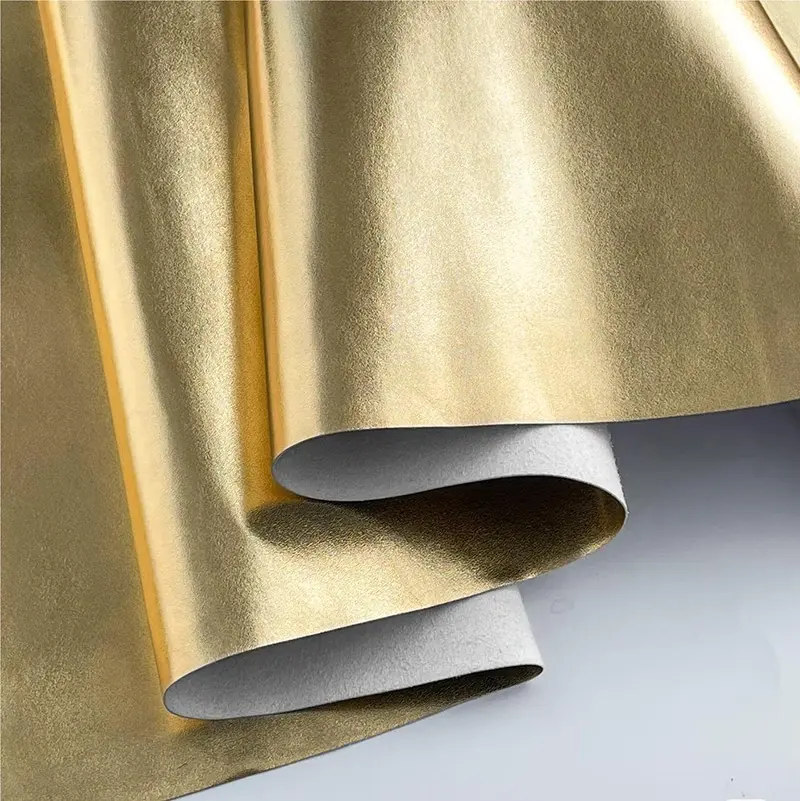
Why Does Shoe Leather Quality Matter More Than Ever?
Today’s consumers are more informed. They care about texture, breathability, environmental responsibility, and longevity. From my experience working with international buyers, poor material selection leads to common pain points:
- Premature cracking or surface peeling after limited wear
- Uneven dye absorption affecting color consistency
- Poor flexibility causing discomfort
- Low abrasion resistance in high-friction areas
- Inconsistent thickness affecting production efficiency
High-quality Shoe Leather directly addresses these issues. When I evaluate materials, I focus on grain structure, tanning process, tensile strength, and finishing treatment. These technical details determine whether the final shoe performs well in daily use.
How Do Different Types of Shoe Leather Influence Footwear Performance?
Different footwear categories demand different material characteristics. I often guide clients by aligning leather type with product positioning.
| Leather Type | Key Features | Best Application |
| Full Grain Leather | Natural surface, strong fibers, excellent durability | Premium dress shoes, boots |
| Top Grain Leather | Smooth finish, uniform appearance | Casual shoes, fashion footwear |
| Split Leather | Cost-effective, flexible | Lightweight footwear, lining |
| Suede Leather | Soft texture, breathable | Casual sneakers, lifestyle shoes |
By understanding these distinctions, I can recommend the right Shoe Leather solution that balances cost, performance, and brand positioning.
What Should You Look for When Sourcing Shoe Leather Internationally?
When working with overseas suppliers, I pay close attention to quality control systems and production transparency. Reliable Shoe Leather sourcing depends on:
- Stable raw hide selection standards
- Advanced tanning technology
- Colorfastness testing and abrasion testing
- Moisture control and shrinkage resistance
- Consistent thickness calibration
Through long-term cooperation with tanneries and manufacturing partners, I have seen how standardized inspection procedures reduce defect rates and improve on-time delivery. This is particularly important for brands scaling production.
Can Shoe Leather Improve Both Comfort and Longevity?
Comfort and durability should not compete with each other. A well-developed Shoe Leather material provides flexibility without sacrificing strength. Proper fiber density ensures structural support, while breathable finishing techniques enhance airflow.
I often conduct bend testing and tensile testing before recommending materials. These evaluations help ensure that the leather maintains shape after repeated movement. When customers complain about stiff shoes or cracked uppers, the root cause is often inferior leather selection rather than design flaws.
How Does Sustainable Shoe Leather Add Brand Value?
Sustainability is no longer optional. Buyers increasingly request environmentally responsible tanning methods and traceable supply chains. Eco-friendly Shoe Leather options include chrome-free tanning, reduced water processing, and compliant chemical standards.
From a business standpoint, responsible sourcing strengthens brand reputation and opens doors to stricter markets. I have seen clients expand into Europe and North America more smoothly once they upgraded to compliant leather solutions.
Why Work with a Professional Supplier for Shoe Leather Solutions?
Material sourcing is not just about purchasing. It requires technical knowledge, production coordination, and after-sales support. My approach is always solution-oriented. Instead of simply offering catalog options, I help clients:
- Match leather specifications with shoe design goals
- Adjust thickness and softness levels for comfort
- Optimize surface treatment for branding aesthetics
- Control production costs without sacrificing quality
- Ensure stable supply for bulk orders
With structured quality management and flexible customization capability, selecting the right Shoe Leather becomes a strategic advantage rather than a sourcing challenge.
Are You Ready to Upgrade Your Shoe Leather Strategy?
If you are looking to enhance durability, improve comfort, and strengthen brand positioning, choosing the right Shoe Leather is the foundation. I believe that consistent material quality directly impacts customer satisfaction and repeat orders.
If you would like tailored recommendations, samples, or technical specifications, please contact us today. Let us discuss how we can support your next footwear collection with reliable and performance-driven Shoe Leather solutions.