
Can EVA Slippers Be Washed in a Washing Machine Without Damage
2026-07-20
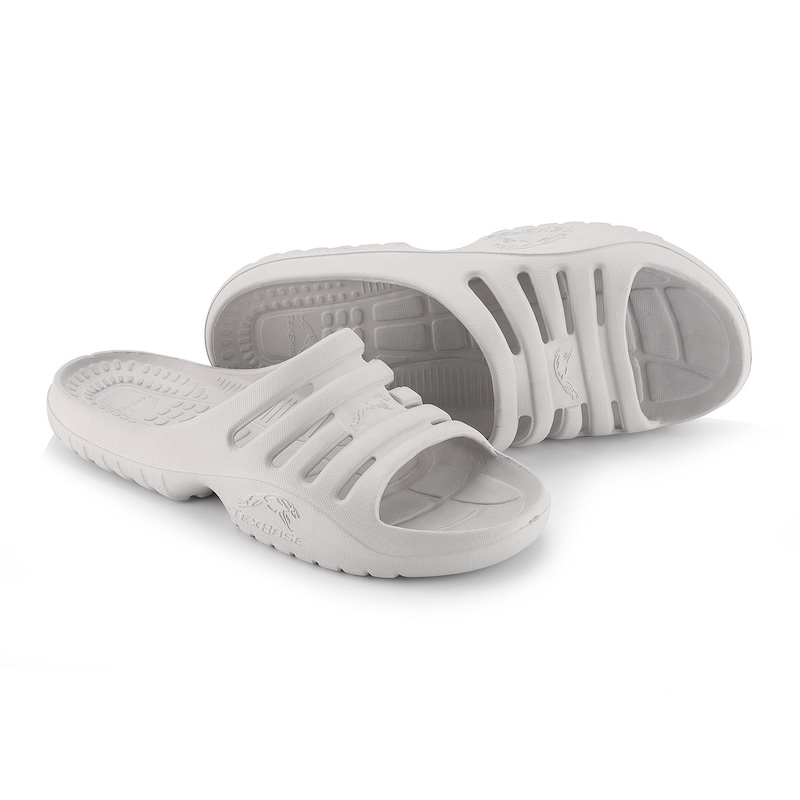
If you own a pair of EVA Slippers, you have likely wondered about the simplest way to keep them clean. Unlike fabric or leather footwear, EVA Slippers are made from closed-cell foam, which repels water and resists stains. However, tossing them into a washing machine is not always a risk-free decision. At Biyate, we have tested hundreds of EVA Slippers under various cleaning conditions, and the answer depends entirely on water temperature, spin speed, and detergent choice. This guide delivers machine‑washing facts, step‑by‑step safety protocols, and real‑world damage scenarios to help you extend the life of your favorite pair.
What Happens Inside a Washing Machine?
A standard washing machine combines three aggressive elements: mechanical agitation, heat, and chemical surfactants. EVA Slippers react to each factor differently.
| Factor | Effect on EVA Slippers | Risk Level |
|---|---|---|
| Cold water (≤30°C) | Minimal expansion; foam stays firm | Low |
| Warm water (40–60°C) | Mild softening; possible micro‑pore opening | Medium |
| Hot water (≥70°C) | Permanent deformation; surface blistering | High |
| High spin (≥1000 RPM) | Centrifugal force stretches heel cups | Medium–High |
| Bleach / strong alkali | Chemical breakdown of polymer chains | Very High |
| Mild liquid detergent | Safe if diluted; removes surface oils | Low |
The foam structure of EVA Slippers contains millions of closed air cells. When heated beyond 50°C, these cells expand unevenly, causing warping. When spun too fast, the soft heel area can stretch out of shape—a problem Biyate engineers address by reinforcing heel collars in our premium lines.
The Safe Machine‑Washing Protocol
Following these seven steps ensures your EVA Slippers emerge clean and intact.
-
Remove all dirt – Rinse under cold tap water to dislodge gravel and sand.
-
Place in a mesh laundry bag – Prevents tangling with other garments.
-
Use only cold water (30°C) – Heat is the primary enemy of EVA Slippers.
-
Select the delicate cycle – Reduces mechanical tumbling force.
-
Add a small amount of mild liquid detergent – Avoid powder bleach or optical brighteners.
-
Set spin speed to ≤600 RPM – Gentle extraction only.
-
Air‑dry in shade – Never use a tumble dryer; residual heat deforms foam.
Critical Warning: Never wash EVA Slippers with heavy items like jeans or towels. The abrasive friction can scuff the surface and create permanent white stress marks—a common complaint that Biyate customer service addresses frequently.
When Machine‑Washing Is Not Recommended
Despite the protocol above, certain types of EVA Slippers should never enter a washing machine.
| EVA Slippers Type | Machine‑Wash Safe? | Reason |
|---|---|---|
| With fabric liners (fleece/terry) | ❌ No | Liners shrink and detach from foam |
| With glued decorative straps | ❌ No | Heat weakens adhesive bonds |
| With perforated ventilation holes | ⚠️ Conditional | Holes trap water; prolonged dampness causes odor |
| Solid one‑piece molded (like Biyate Classic) | ✅ Yes | No seams, no glued parts – safest option |
| With cork or wood midsoles | ❌ No | Water rots natural materials |
If your EVA Slippers fall into the "conditional" category, Biyate recommends hand‑washing with a soft sponge and mild soap instead—a 2‑minute process that eliminates all risks.
Most Common Damage Scenarios
Through years of consumer feedback, Biyate has documented three frequent machine‑washing failures:
-
Shrinkage illusion – The foam does not shrink, but the upper straps curl inward, making the slipper feel tighter. This occurs when water temperature exceeds 45°C.
-
White powdery residue – Caused by hard water minerals reacting with detergent. This residue is cosmetic but can irritate sensitive skin.
-
Loss of cushioning – Prolonged soaking (over 30 minutes) leaches plasticizers from the foam, reducing the signature bounce that Biyate EVA Slippers are known for.
Frequently Asked Questions About EVA Slippers Care
Q1: Can I use vinegar or baking soda to clean my EVA Slippers in the washing machine?
A: While vinegar and baking soda are natural cleaners, they are not recommended for EVA Slippers inside a washing machine. Vinegar (acetic acid) can slowly degrade the polymer surface over multiple washes, making it tacky. Baking soda, when combined with water, forms abrasive crystals that get trapped in micro‑crevices; during spinning, these crystals act like sandpaper, dulling the glossy finish. For safe results, Biyate suggests using a few drops of pH‑neutral liquid dish soap diluted in cold water—then hand‑scrub with a soft brush. If you prefer machine‑washing, skip vinegar/baking soda entirely and rely on a gentle detergent designed for delicates.
Q2: How often can I machine‑wash my EVA Slippers without causing damage?
A: Even with perfect cold‑water settings, Biyate advises limiting machine‑washing to once every 3–4 months for daily‑wear EVA Slippers. Each cycle subjects the foam to compression and centrifugal stress, which gradually reduces the material's cell wall thickness. After approximately 15–20 machine cycles, you may notice a permanent 5–10% loss in rebound resilience—meaning the slippers feel flatter underfoot. For routine cleaning between washes, simply wipe the surface with a damp microfiber cloth; this removes 90% of surface dust and extends the time between machine cycles. Remember: EVA Slippers are hydrophobic, so they do not absorb sweat or odors as fabric slippers do—so frequent washing is rarely necessary.
Q3: My EVA Slippers came out of the washing machine with a strange sticky film. What went wrong?
A: This sticky residue is almost always caused by using too much detergent or a detergent with fabric softeners. Softeners leave a waxy coating on EVA Slippers that attracts dirt and feels tacky to the touch. Additionally, if you used a warm‑water cycle, the softened foam surface opens its pores and absorbs detergent molecules; when rinsed inadequately, these molecules remain and oxidize into a sticky biofilm. To fix this, Biyate recommends soaking the affected EVA Slippers in cold water with one tablespoon of white vinegar (only for this one‑time rescue) for 10 minutes, then rinsing thoroughly and air‑drying. For future washes, reduce detergent to one teaspoon per pair and always run an extra rinse cycle.
Final Verdict from Biyate
Machine‑washing EVA Slippers is safe—but conditional. The foam itself withstands gentle cold cycles, but straps, glued parts, and liners do not. For solid, one‑piece molded designs like those in the Biyate collection, following the cold‑delicate protocol delivers clean, odor‑free results with zero deformation. For any style with mixed materials, hand‑washing remains the gold standard.
Contact Us for Expert Advice
Every pair of EVA Slippers behaves differently based on design, density, and age. At Biyate, we manufacture over 50 styles of EVA Slippers, and our support team handles thousands of care queries each month. If you are unsure whether your specific model can survive a machine cycle, send us a photo of your slippers—we will reply within 24 hours with a custom cleaning recommendation. Visit our contact page or email our care specialists directly. Your EVA Slippers deserve professional guidance, and we are here to provide it—no guesswork, just foam science. Reach out to Biyate today, and let us help you keep every step comfortable, clean, and damage‑free.