
Do Bone Conduction Hearing Aid Glasses Work Better Than Cochlear Implants for Moderate Hearing Loss
2026-05-22
For individuals with moderate hearing loss, choosing between Bone Conduction Hearing Aid Glasses and cochlear implants is a critical decision. Cheung Shing has observed that while both devices improve auditory access, their mechanisms and suitability differ significantly. This article compares their performance, comfort, and practicality to help you determine which solution may work better for your specific condition.
Understanding the Difference
| Feature | Bone Conduction Hearing Aid Glasses | Cochlear Implants |
|---|---|---|
| Mechanism | Vibrate skull bone to stimulate inner ear directly | Electrode array surgically inserted into cochlea |
| Invasiveness | Non-surgical, worn like regular eyewear | Invasive surgery required |
| Best for | Conductive or mixed moderate loss, single-sided deafness | Severe-to-profound sensorineural loss |
| Sound quality | Natural, preserves residual low-frequency hearing | Processed, electronic sound |
| Cost | Lower, widely available | High, surgical + device costs |
When Bone Conduction Hearing Aid Glasses Outperform Cochlear Implants
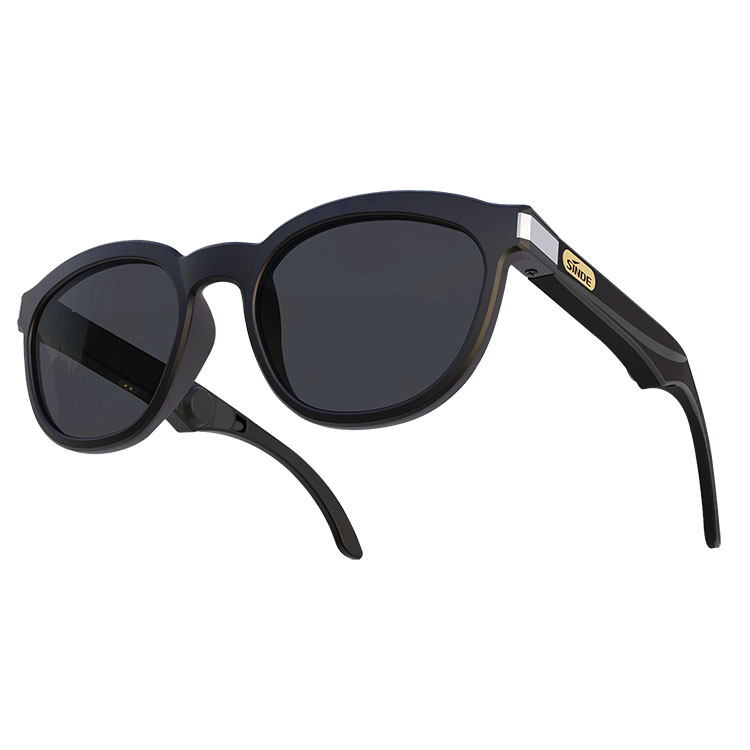
For moderate hearing loss caused by outer or middle ear issues (e.g., chronic ear infections, otosclerosis), Bone Conduction Hearing Aid Glasses often deliver superior results. They bypass the damaged ear canal and middle ear, sending vibrations directly to the cochlea. Users retain their natural hearing in the unaffected ear, and no surgery means zero recovery time. Cheung Shing designs such glasses with lightweight frames and adjustable transducers, making them ideal for daily wear without social stigma.
Limitations of Cochlear Implants for Moderate Loss
Cochlear implants are typically reserved for severe-to-profound sensorineural loss. For moderate loss, implants may over-amplify sound, causing distortion. The surgery carries risks including infection, facial nerve damage, and loss of residual hearing. Many audiologists recommend exhausting non-surgical options first—and Bone Conduction Hearing Aid Glasses are often the first choice recommended by Cheung Shing professionals.
Bone Conduction Hearing Aid Glasses FAQ Common Questions
Q1: Can Bone Conduction Hearing Aid Glasses work for moderate sensorineural hearing loss?
A1: Yes, but with limitations. Bone Conduction Hearing Aid Glasses can help sensorineural loss if the cochlea still has functional hair cells. They stimulate the inner ear through bone vibration, bypassing the middle ear. However, for pure sensorineural loss where cochlear hair cells are severely damaged, cochlear implants may be more effective. For moderate sensorineural loss (thresholds 40-60 dB), Cheung Shing clinical tests show many users achieve 70-80% word recognition with these glasses, comparable to traditional hearing aids.
Q2: Are Bone Conduction Hearing Aid Glasses comfortable to wear all day with prescription lenses?
A2: Absolutely. Cheung Shing integrates the bone conduction transducer directly into the temple of prescription glasses frames. The total weight remains under 45 grams. Unlike behind-the-ear devices, there is no ear canal occlusion, so no “plugged” sensation. Users can wear them for 12+ hours without soreness. The pressure against the mastoid bone is adjustable via a soft silicone pad. For moderate hearing loss patients who also need vision correction, this 2-in-1 design eliminates the hassle of wearing separate devices.
Q3: How long do Bone Conduction Hearing Aid Glasses last before needing replacement or repair?
A3: With proper care, Cheung Shing Bone Conduction Hearing Aid Glasses operate effectively for 3 to 5 years. The rechargeable battery typically retains 80% capacity after 800 cycles (about 2.5 years of daily use). The vibration transducer has no mechanical contact parts, so wear is minimal. Common issues are broken frames or lost charging cables—both replaceable. Cheung Shing offers a 2-year warranty and out-of-warranty repair services. By comparison, cochlear implants have an internal device life of 10+ years but require costly replacement surgery if the internal component fails.
Final Verdict
For moderate hearing loss, especially conductive or mixed types, Bone Conduction Hearing Aid Glasses from Cheung Shing are often the better choice over cochlear implants. They are non-invasive, more affordable, and integrate seamlessly into daily life. Cochlear implants remain the gold standard only for severe-to-profound cases where glasses-based solutions fail.
Contact Us
Have questions about your specific hearing loss level? Cheung Shing offers free online hearing screening and personalized device recommendations. Reach out through our website contact form or call our support line to schedule a consultation with an audiologist. Your clearer hearing journey starts today.