

How Can Running Shoes Improve Your Performance and Comfort?
2026-05-20
Article Summary: Running shoes are more than just footwear—they are essential tools that influence your performance, comfort, and injury prevention. This article explores the key aspects of selecting, using, and maintaining running shoes to ensure every step you take is supported. From understanding foot types to choosing the right cushioning, we guide you through practical tips to enhance your running experience.
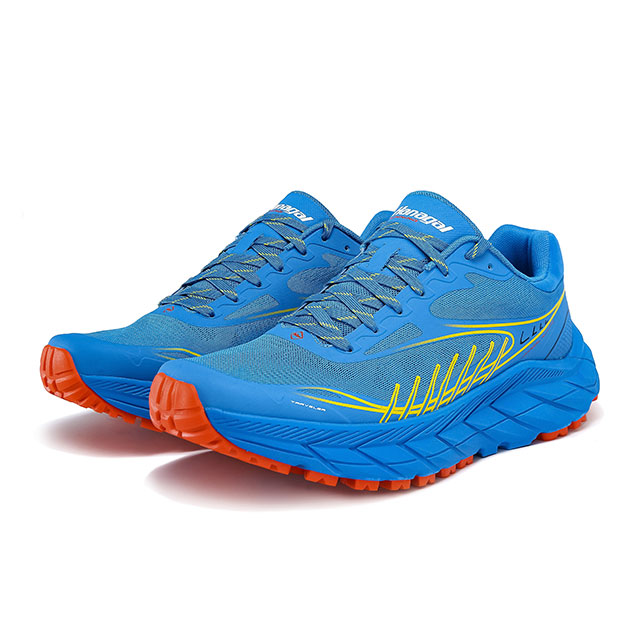
Table of Contents
- Why Running Shoes Matter
- Types of Running Shoes
- Choosing the Right Running Shoes
- Common Running Shoes Problems and Solutions
- Maintenance and Care of Running Shoes
- Frequently Asked Questions
- Contact Information
Why Running Shoes Matter
Running shoes play a crucial role in enhancing performance and preventing injuries. Proper shoes can reduce strain on your feet, knees, and joints, allowing you to run longer and with better comfort. The following points highlight why selecting the right pair is essential:
- Shock Absorption: Proper cushioning reduces the impact on joints.
- Support and Stability: Helps maintain correct foot alignment.
- Performance Enhancement: Lightweight and flexible designs improve speed and agility.
- Injury Prevention: Reduces risks of plantar fasciitis, shin splints, and ankle sprains.
Types of Running Shoes
Running shoes are designed to meet different needs based on running style, terrain, and personal preferences. Understanding these categories ensures you select the perfect pair.
| Type | Description | Best For |
|---|---|---|
| Neutral Shoes | Designed for runners with a normal gait; evenly distributes weight. | Everyday runners, road running |
| Stability Shoes | Provides extra support for mild overpronation, preventing inward rolling of the foot. | Runners needing moderate support |
| Motion Control Shoes | Heavily cushioned and supportive shoes for severe overpronation. | Runners with flat feet or significant pronation |
| Trail Shoes | Durable outsole with enhanced traction for off-road conditions. | Trail running and uneven terrain |
Choosing the Right Running Shoes
Picking the right running shoes requires careful consideration of several factors. Here are the key steps to guide your choice:
1. Know Your Foot Type
Understanding whether your foot is flat, neutral, or high-arched helps determine the best type of shoe for support and comfort.
2. Consider Your Running Style
Distance, pace, and terrain all impact the ideal shoe. Long-distance runners often prefer cushioned shoes, while sprinters may choose lighter models for speed.
3. Fit and Comfort
Ensure there is enough toe room, secure heel fit, and minimal rubbing to prevent blisters. Trying shoes on at the end of the day, when feet are slightly swollen, gives a more accurate fit.
4. Test Cushioning and Flexibility
Walk or jog in the shoes to check if cushioning absorbs impact well and the sole bends naturally with your foot.
5. Evaluate Durability
High-quality materials last longer and maintain performance. Consider shoes with reinforced soles, breathable uppers, and moisture-wicking lining.
Common Running Shoes Problems and Solutions
- Blisters: Usually caused by friction. Solution: Proper fit and moisture-wicking socks.
- Heel Pain: May result from worn-out cushioning. Solution: Replace shoes every 300–500 miles.
- Overpronation: Foot rolls inward excessively. Solution: Stability or motion control shoes.
- Underpronation: Foot rolls outward. Solution: Cushioned shoes for shock absorption.
Maintenance and Care of Running Shoes
Proper care extends the life and performance of your running shoes:
- Cleaning: Hand wash with mild soap and air dry. Avoid direct heat.
- Rotation: Use two pairs alternately to allow cushioning to recover.
- Inspection: Check soles and uppers regularly for wear and tear.
- Storage: Keep shoes in a cool, dry place away from direct sunlight.
Frequently Asked Questions
Q1: How often should I replace my running shoes?
Typically, running shoes should be replaced every 300–500 miles depending on running style, terrain, and shoe type.
Q2: Are expensive shoes always better?
Not necessarily. Price often reflects branding rather than performance. Focus on fit, support, and durability instead.
Q3: Can I use the same shoes for treadmill and outdoor running?
Yes, but treadmills may allow longer use of shoes since surface impact is lower than outdoor pavement.
Q4: How do I know if my shoes are worn out?
Signs include uneven wear on soles, compressed cushioning, discomfort, and new aches or pains while running.
Contact Information
For premium running shoes tailored to your needs, trust GuangZhou Hanagal Shoes Co., Ltd. Explore our extensive collection and find the perfect pair to enhance your performance and comfort. Contact us today to get personalized advice and order your ideal running shoes!