

How Do Kids’ Flip Flops Evolve to Deliver Better Comfort, Protection?
2025-12-10
Kids’ flip flops occupy an important niche in warm-weather footwear, blending lightweight comfort with everyday practicality. As children become more active outdoors, the need for supportive, safe, and durable flip flops continues to rise.
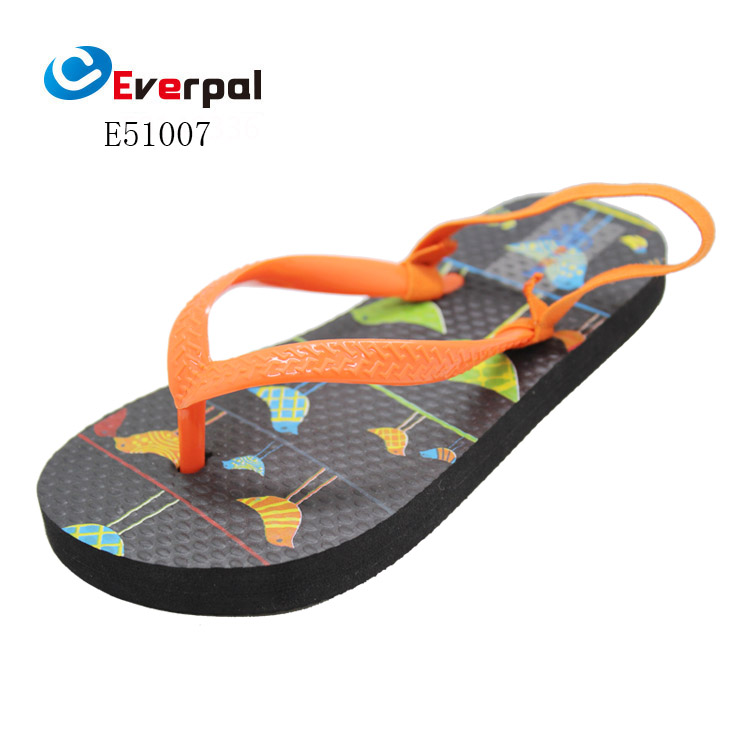
Understanding Kids’ Flip Flops Through Function, Design, and Performance
Kids’ flip flops are casual open-toe sandals built for daily use in warm conditions. They feature a slip-on structure with a Y-shaped strap anchored between the toes and across the midfoot. Although simple in appearance, the construction of high-quality kids’ flip flops is rooted in ergonomic shaping, specialized materials, and child-safe design principles. Modern versions integrate cushioning, arch support, anti-slip technology, and reinforced straps to withstand high-energy movement.
Core Product Parameters
A technical overview of the main parameters helps decode how performance and durability are achieved:
| Specification | Description |
|---|---|
| Upper/Straps Material | Soft PVC, EVA, fabric webbing, or TPU designed for skin-friendly contact and abrasion resistance |
| Footbed Material | High-density EVA, dual-layer EVA/PU, memory foam EVA blends for cushioning and shape retention |
| Outsole | Non-slip textured EVA or rubber outsole for strong traction on wet and dry surfaces |
| Hardness (Shore C) | Footbed: 35–45; Outsole: 45–55 for balance of softness and durability |
| Weight | 50–90g per shoe depending on size, emphasizing lightweight wear |
| Sizes | Toddler, little kid, and big kid size ranges |
| Water Resistance | Quick-dry materials suitable for beach, pool, and everyday water play |
| Design Features | Ergonomic arch, anti-skid patterns, heel-cup shaping, break-resistant plugs, flexible midsole |
| Customization Options | Colors, printed patterns, embossed logos, strap textures, odor-control materials |
This combination of material science and ergonomic engineering allows kids’ flip flops to support natural foot development while minimizing discomfort during extended wear.
Advantages and Functional Benefits
Kids’ flip flops offer several benefits that appeal to both parents and children:
-
Breathability keeps feet cool in high temperatures.
-
Lightweight construction reduces fatigue during long days of play.
-
Water-friendly performance makes them ideal for the beach, pool, and outdoor activities.
-
Easy slip-on design promotes independence and convenience.
-
Flexible midsoles allow natural foot motion.
-
Durable outsole patterns prevent slipping on smooth or wet surfaces.
-
Variety of colors and themes engages children visually and encourages self-expression.
These features support growing feet without restricting movement, making flip flops a versatile choice for summertime mobility.
How to Choose the Right Kids’ Flip Flops Based on Support, Materials, and Safety
Parents often wonder how to distinguish high-quality flip flops from options that may wear out quickly or lack proper support. Evaluating materials, strap construction, outsole design, and cushioning helps identify options that protect children’s feet during active play.
Key Factors to Consider
1. Cushioning and Foot Support
Models with dual-density EVA or EVA/PU blends provide enhanced shock absorption. An ergonomic footbed with slight arch curvature prevents flat-foot discomfort during prolonged use.
2. Strap Quality and Comfort
Smooth, rounded straps avoid skin irritation. Fabric-lined or padded straps reduce rubbing, particularly between the toes.
3. Anti-Slip Performance
Deeply-grooved outsoles improve traction on tiles, wet pavements, and poolside surfaces. Rubber outsoles offer superior grip compared to basic EVA.
4. Durability and Break-Resistance
Reinforced toe-post plugs reduce the risk of the strap popping out. Kids who run, climb, and jump place heavy stress on this area, making reinforcement essential.
5. Weight and Flexibility
Lightweight sandals allow children to move naturally. Excessively rigid models may hinder foot development.
6. Water Performance and Quick Drying
EVA and rubber do not absorb water, preventing mold and odors while offering convenience for aquatic environments.
Common Questions Parents Ask
Q1: Are flip flops safe for children to wear every day?
A1: Daily use is safe when the flip flops offer proper foot support, a stable outsole, and secure straps. Models with ergonomic arch shaping and anti-slip bottoms ensure balance and comfort during extended wear. Parents should avoid extremely thin or flat designs because they offer insufficient cushioning for active children.
Q2: Do kids’ flip flops cause discomfort between the toes?
A2: Discomfort usually occurs when the toe post is rough or poorly shaped. High-quality flip flops use soft, rounded toe posts with smooth edges and supplemental padding. Footbed alignment and strap placement also influence toe comfort, reducing pressure and irritation.
How Kids’ Flip Flops Compare With Other Summer Footwear Options
Although parents often compare flip flops with sandals, aqua shoes, and slides, each category offers different benefits. Understanding these differences clarifies when flip flops are the best choice and when alternatives may be more suitable.
Kids’ Flip Flops vs. Kids’ Sandals
-
Flip Flops: Lightweight, breathable, fast-drying, ideal for casual outdoor and water activities.
-
Sandals: More structured with straps surrounding the foot, suitable for longer walks or hiking.
Flip flops dominate in convenience and water performance, while sandals excel in stability for long-distance movement.
Kids’ Flip Flops vs. Kids’ Aqua Shoes
-
Flip Flops: Easy to slip on/off, great for beaches and pools.
-
Aqua Shoes: Provide full-foot protection in rocky or slippery aquatic environments.
Flip flops are preferred for casual water play, while aqua shoes offer specialized protection during water sports.
Kids’ Flip Flops vs. Slides
-
Flip Flops: Toe post design encourages natural stride but may not suit all children.
-
Slides: Better for children who dislike between-toe straps; however, slides may slip off more easily.
Flip flops often deliver better alignment and security for active kids.
How Future Trends Will Shape the Design, Materials, and Sustainability of Kids’ Flip Flops
The evolution of kids’ flip flops is driven by innovations in eco-friendly materials, ergonomic shaping, and safety enhancements. Consumer demand for sustainable and high-performance footwear, alongside advances in manufacturing, continues to redefine this category.
Emerging Trends in Kids’ Flip Flops
1. Eco-Conscious Materials
Recycled EVA, plant-based foams, and biodegradable components are gaining popularity as parents prioritize eco-friendly options.
2. Enhanced Ergonomic Footbeds
Future models will integrate medically-informed arch curves, deep-heel designs, and pressure-relief zones for improved long-term comfort.
3. Anti-Odor and Anti-Bacterial Technology
Built-in hygiene protection through antimicrobial materials is becoming a standard expectation.
4. Customizable Designs
3D-printed patterns, interchangeable straps, and personalizable color combinations appeal to children’s creativity.
5. High-Traction Outsoles
Improved rubber compounds and multi-directional tread patterns provide superior grip on wet surfaces.
6. Durable Zero-Waste Manufacturing
Flow-molding and reduced-waste processes allow manufacturers to minimize scraps while maintaining structural integrity.
These trends reflect a shift toward performance-driven, environmentally responsible footwear that supports children throughout various activities.
Kids’ flip flops continue to evolve through enhanced materials, safer construction, and features that promote both comfort and mobility. Parents benefit from understanding how cushioning, straps, traction, and overall design work together to protect young feet. As innovations in sustainability, ergonomics, and durability increase, flip flops are becoming more versatile and reliable for everyday wear.
Manufacturers like Everpal® have embraced these advancements, offering thoughtfully engineered kids’ flip flops built for safety, comfort, and long-lasting performance. For product inquiries, customization details, or wholesale information, contact us to explore available options tailored to your needs.