

How Do Lace Bow Snow Boots Deliver Warmth, Style, and Long-Term Performance in Winter Environments?
2025-12-10
Lace Bow Snow Boots have become a recognizable category in the winter-footwear market, blending functional insulation with decorative lace-bow design elements that appeal to consumers seeking both comfort and visual charm.
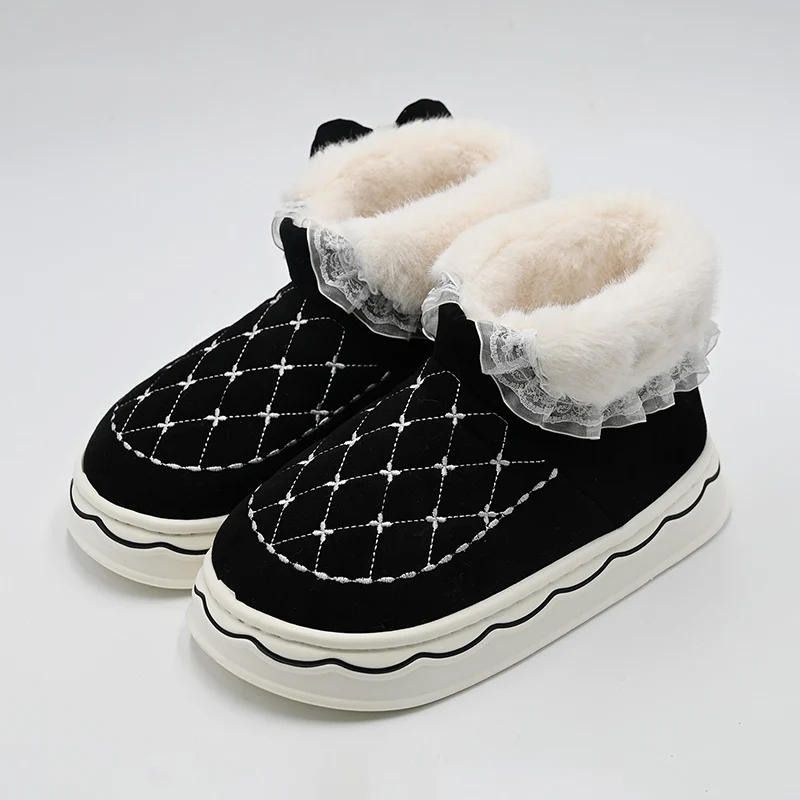
The following specification table outlines the core parameters typically associated with high-quality Lace Bow Snow Boots, offering readers a technical foundation for understanding their capabilities:
| Parameter | Specification |
|---|---|
| Upper Material | Water-repellent synthetic leather / suede blend |
| Lining | Thick plush faux-fur or fleece thermal lining (8–12 mm) |
| Midsole Structure | Lightweight EVA cushioning with shock-absorption properties |
| Outsole Material | Non-slip TPR or rubber-compound outsole with deep winter traction patterns |
| Closure System | Decorative lace-bow tie with internal elastic or hidden zipper for improved adjustability |
| Temperature Rating | Suitable for approximately –15°C to –25°C depending on model variation |
| Heel Height | 2–3 cm ergonomic support |
| Boot Shaft Height | 15–22 cm for enhanced ankle insulation |
| Weight | 600–900 g per pair depending on size |
| Recommended Use | Daily winter wear, light outdoor activity, snow-covered urban terrain |
How Do Lace Bow Snow Boots Combine Insulation, Waterproofing, and Aesthetic Details?
The defining strength of Lace Bow Snow Boots lies in the integration of multiple winter-specific layers built to withstand low temperatures while prioritizing comfort and appearance. Thermal-lined interiors provide warmth retention through plush fibers designed to trap heat around the foot and ankle. This type of lining also reduces the loss of body heat to the cold exterior environment, giving wearers a noticeable boost in thermal comfort during prolonged outdoor use.
Water-repellent upper materials further enhance protection by blocking snow penetration, allowing the boots to maintain a dry interior even in slush or light snowfall. The choice of synthetic leather or suede blends supports structural stability, prevents deformation in cold temperatures, and ensures the boots remain breathable.
The lace-bow detail adds a playful, soft, and eye-catching aesthetic signature without interfering with the boot’s thermal or functional features. Many models incorporate internal elastic systems or hidden side zippers that ensure the decorative bow remains purely stylistic while the closure system maintains a secure and ergonomic fit. This combination allows the boots to meet the expectations of fashion-forward consumers while addressing the practical demands of winter climates.
The outsole design is equally essential. Deep anti-slip patterns formed by durable TPR or rubber compounds provide grip on icy or uneven surfaces. This traction helps reduce the risk of slips and stabilizes each step during daily activities such as commuting or walking on snowy pavements. When all components work together, the boots deliver a blend of style and protection rarely found in traditional winter footwear.
How Do Lace Bow Snow Boots Compare to Traditional Winter Boots in Durability and Comfort?
While traditional winter boots often rely on rugged designs prioritizing function above style, Lace Bow Snow Boots aim to balance charm and practicality. Their key advantage comes from thoughtful material selection and multi-layer construction, which optimize both durability and comfort.
Traditional snow boots tend to emphasize thicker shells and more rigid materials. These may offer enhanced protection against harsh outdoor conditions but commonly sacrifice flexibility and lightweight comfort. Lace Bow Snow Boots, by contrast, often integrate flexible uppers that mold more naturally to the foot, creating a softer step and reducing fatigue during extended wear.
In terms of cushioning, the EVA midsoles found in many Lace Bow Snow Boot models provide effective shock absorption that distributes body weight evenly. This reduces the pressure on the heel and forefoot, especially when walking on hard, cold ground. Traditional boots sometimes use denser midsoles that resist compression but may feel heavier or more rigid.
Regarding aesthetics, Lace Bow Snow Boots introduce decorative elements that appeal to younger audiences and trend-sensitive consumers. The lace-bow design presents a playful contrast to the harsher appearance of traditional boots, making them ideal for winter fashion outfits, casual wear, and holiday seasons. However, this emphasis on visual appeal does not diminish their protective function. The structural design of the boots ensures that warmth and comfort remain primary priorities.
From a durability perspective, high-quality stitching, reinforced toe caps, and water-resistant outer layers help Lace Bow Snow Boots resist wear caused by moisture, snow, and daily friction. This durability is enhanced by modern manufacturing techniques that produce consistent material density and reinforcement placement.
Overall, Lace Bow Snow Boots offer a more balanced experience: durable yet lightweight, warm yet stylish, flexible yet structured. Their hybrid design aligns with the lifestyles of consumers seeking footwear capable of transitioning effortlessly between outdoor conditions and indoor environments.
What Are the Emerging Trends Shaping the Future of Lace Bow Snow Boots?
The winter-footwear category continues to evolve as manufacturers explore new materials, production methods, and style elements to enhance both performance and sustainability. Several trends have begun to influence the development of Lace Bow Snow Boots, with particular emphasis on consumer preferences and environmental responsibility.
Trend 1: Sustainable and Eco-Friendly Materials
More brands are adopting eco-conscious manufacturing practices. This includes sourcing recycled synthetic fibers for linings, using plant-based faux leather, and implementing environmentally responsible dyeing methods. As global awareness of sustainability continues to grow, Lace Bow Snow Boots are expected to feature greener material alternatives without compromising insulation or durability.
Trend 2: Enhanced Waterproofing and Moisture-Wicking Technologies
Future models will likely incorporate advanced hydrophobic coatings and moisture-wicking interior fabrics. These technologies aim to create a balanced internal climate by preventing external moisture from entering while simultaneously drawing sweat away from the skin. This dual-action moisture control improves comfort during long periods of active wear.
Trend 3: Lightweight Structural Innovation
Manufacturers are focusing on reducing overall boot weight through improved midsole engineering and optimized outsole compounds. Lighter boots help reduce muscle fatigue, increase walking efficiency, and improve the overall wearing experience. The trend toward ultralight winter footwear is expected to accelerate as more consumers demand comfortable all-day wear solutions.
Trend 4: Evolving Aesthetic Elements
The lace-bow motif will likely continue evolving, with new variations such as adjustable ribbon systems, detachable decorative elements, and customizable colors. These enhancements will offer wearers a more personalized fashion experience. Combined with minimalist aesthetic influences, future Lace Bow Snow Boots may strike an even stronger balance between elegance and practicality.
Trend 5: Smart Fit and Ergonomic Contouring
Innovations in ergonomic boot shaping allow the inner structure to follow natural foot curvature more closely, improving long-term comfort and reducing pressure points. Smart-fit features, such as adaptable elastic zones and memory-foam footbeds, are predicted to become standard in premium Lace Bow Snow Boot lines.
As these trends gain momentum, the overall category of Lace Bow Snow Boots will continue advancing toward higher comfort standards, improved technical performance, and visually engaging design updates that resonate with global winter consumers.
How to Choose the Right Pair of Lace Bow Snow Boots for Daily Winter Use?
Selecting the ideal pair involves evaluating several factors that affect warmth, fit, stability, and longevity. Each element contributes to the overall experience, ensuring the boots remain reliable throughout the winter season.
Thermal Requirements
Temperature rating plays a primary role for users living in extremely cold regions. Boots designed with 8–12 mm plush lining offer substantial insulation suitable for subzero climates, while lighter linings cater to moderate winter conditions. Choosing the correct insulation level ensures comfort without overheating during indoor transitions.
Water Protection and Weather Resistance
A high-performing snow boot must withstand snow exposure and slush. Water-repellent upper materials, sealed seams, and protective toe overlays help maintain a dry interior. This feature is especially important for those who walk frequently in wet or snowy environments.
Outsole Grip and Terrain Compatibility
Deep tread patterns and rubber-based outsoles reduce slipping risks on icy pavements. Shoppers should assess the tread depth and groove design to ensure proper traction based on typical daily routes or outdoor activities.
Fit and Interior Comfort
A soft, cushioned insole combined with a comfortable midsole structure ensures all-day wearability. Proper heel support and ankle coverage improve stability and minimize strain. The inner lining should feel plush without creating pressure or restricting movement.
Aesthetic Preferences
The lace-bow design adds a distinct charm that suits winter fashion outfits. Buyers should consider color, ribbon style, and overall design harmony based on personal wardrobe preferences.
Long-Term Durability
Quality stitching, abrasion-resistant materials, and reinforced seams contribute to lifespan. Consumers who wear snow boots frequently should look for models with thicker outsoles and durable exterior fabrics to maintain structural integrity over multiple seasons.
Common Questions About Lace Bow Snow Boots
Q: How can Lace Bow Snow Boots maintain warmth during extended outdoor use?
A: They rely on plush thermal linings that trap body heat, water-repellent uppers that block cold moisture, and midsole cushioning that insulates from the frozen ground. Together, these layers regulate internal temperature and keep feet warm for long periods.
Q: Are Lace Bow Snow Boots suitable for icy or slippery surfaces?
A: Yes, most models include high-traction TPR or rubber outsoles with deep grooves designed to enhance grip on icy terrain. This helps maintain stability and reduces slipping risks during winter walks.
The Lasting Value of Lace Bow Snow Boots
Lace Bow Snow Boots offer a distinctive blend of winter protection, comfort, and visual elegance. Their multi-layer insulation, water-repellent materials, ergonomic cushioning, and decorative lace-bow accents create a unique category that appeals to both functional and fashion-oriented consumers. As winterwear trends shift toward lighter materials, eco-friendly practices, and customizable aesthetics, these boots remain well positioned for continued growth and popularity. Their ability to balance warmth and style makes them suitable for daily winter use, light outdoor activities, and seasonal fashion outfits.
Lesijia continues to develop Lace Bow Snow Boots with a focus on craftsmanship, comfort engineering, and evolving design aesthetics inspired by global winter lifestyles. For more information about product specifications, customization options, or wholesale inquiries, contact us to explore solutions tailored to your needs.