
How Does Jacquard Cloth Transform Textile Applications?
2025-12-12
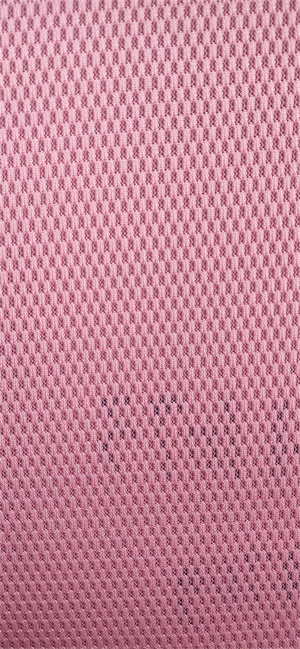
Jacquard Cloth is a woven textile renowned for its intricate patterns and versatile applications across fashion, upholstery, and industrial use. Unlike plain fabrics, Jacquard employs a complex weaving technique controlled by a specialized loom, allowing for high-resolution designs directly woven into the fabric rather than printed. This method ensures durability, texture variation, and design depth, making Jacquard Cloth a preferred choice for premium garments, decorative home furnishings, and specialty textiles.
| Parameter | Specification |
|---|---|
| Material Composition | 100% Cotton, Cotton-Polyester Blend, Silk |
| Weave Type | Jacquard (complex pattern weave) |
| Fabric Width | 54–60 inches (standard), custom widths available |
| Weight | 150–450 GSM |
| Pattern Repeat | 2–40 inches |
| Finishing Options | Mercerized, Embossed, Printed Overlay |
| Color Fastness | 4–5 (ISO 105) |
| Shrinkage | ≤3% |
| Application | Apparel, Upholstery, Drapery, Accessories |
This table illustrates the diverse technical specifications of Jacquard Cloth, allowing manufacturers, designers, and retailers to select the most appropriate fabric based on weight, composition, and finishing. The variations in yarn blend, pattern repeat, and finishing directly influence texture, drape, and durability, ensuring a versatile solution for high-end applications.
How Is Jacquard Cloth Woven and What Makes Its Patterns Unique?
Jacquard Cloth employs a weaving method that utilizes a Jacquard loom, a mechanical or electronic device capable of controlling individual warp threads. This advanced control enables highly detailed patterns, ranging from floral motifs to geometric designs. Unlike traditional fabrics, where patterns are printed or embroidered, Jacquard designs are integral to the fabric, providing enhanced durability and a three-dimensional texture.
-
Warp and Weft Interaction: The warp (vertical threads) and weft (horizontal threads) are interlaced according to programmed patterns, creating intricate designs without surface embellishments.
-
Pattern Precision: Each thread can be lifted independently, allowing for complex pattern repeats and high-definition designs.
-
Durability: Because patterns are woven and not printed, the fabric maintains its appearance over repeated washes and wear, making it ideal for upholstery, formalwear, and ceremonial garments.
How Can Jacquard Cloth Be Utilized Across Different Industries?
Jacquard Cloth's versatility allows it to serve multiple sectors:
-
Fashion Industry: Designers utilize Jacquard for jackets, dresses, and formal attire where pattern complexity enhances visual appeal. The texture adds depth, allowing garments to appear luxurious and distinct.
-
Home Furnishing: Upholstery, drapery, and cushion covers benefit from Jacquard’s durability and design retention. Its thickness and patterning support high-traffic applications without losing form.
-
Industrial and Specialty Textiles: In certain applications, Jacquard weaving adapts to functional textiles such as automotive interiors or protective fabrics, offering both aesthetic and structural advantages.
Common Question 1: How should Jacquard Cloth be cared for to maintain its texture and color?
Answer: Jacquard Cloth requires gentle care due to its woven complexity. Machine wash in cold water on a delicate cycle or hand wash recommended. Avoid harsh detergents and bleach to maintain fiber integrity. Iron on low heat if necessary, preferably with a pressing cloth to prevent shine. Drying flat or hanging avoids distortion of patterns and prevents shrinkage.
Common Question 2: How does the choice of material affect Jacquard Cloth’s application?
Answer: The base material significantly impacts texture, drape, and durability. Cotton Jacquard is breathable and soft, suitable for casual wear and upholstery. Polyester blends enhance wrinkle resistance and longevity, ideal for drapery and industrial use. Silk Jacquard is luxurious, offering sheen and a delicate hand, primarily for high-end fashion and ceremonial garments. Selecting the appropriate material ensures the fabric meets functional and aesthetic requirements.
How Does Jacquard Cloth Compare to Other Woven Fabrics?
The key differentiators of Jacquard Cloth compared to plain weave, twill, or satin fabrics lie in pattern complexity and design integration:
-
Pattern Integration: Jacquard patterns are woven, whereas most other fabrics rely on surface printing or embroidery.
-
Design Flexibility: Jacquard allows for large, continuous motifs that are difficult to achieve with other weaving techniques.
-
Textural Variation: The weave produces texture contrasts within the same fabric, adding tactile depth.
In practical terms, this makes Jacquard Cloth ideal for applications requiring durability, intricate design, and high-quality aesthetics. Unlike printed fabrics that may fade, Jacquard’s woven patterns maintain their sharpness over time. Additionally, the ability to integrate multiple colors in the weave creates visually rich surfaces without compromising structural integrity.
How Will Jacquard Cloth Evolve With Emerging Textile Technologies?
The future of Jacquard Cloth aligns with trends in smart textiles and sustainable manufacturing:
-
Digital Jacquard Weaving: Modern electronic Jacquard looms allow designers to convert digital designs directly into weaving instructions, reducing lead time and expanding design complexity.
-
Sustainable Fibers: Incorporating recycled fibers and eco-friendly dyeing techniques addresses environmental concerns without compromising design quality.
-
Functional Enhancements: Innovations in yarn types allow for antimicrobial, water-resistant, or thermal-regulating properties while maintaining Jacquard’s visual and tactile appeal.
Manufacturers and designers can leverage these technological developments to create high-value, multifunctional textiles. Brands that adopt such approaches benefit from differentiation in a competitive market and cater to growing consumer demand for sustainability and performance.
Jacquard Cloth stands as a benchmark in textile innovation, combining artistry, durability, and versatility. From fashion to home furnishings, its intricate woven patterns and material adaptability make it a premium choice. Leveraging advanced weaving techniques, high-quality fibers, and emerging technological trends ensures that Jacquard Cloth continues to meet modern industry standards.
For reliable sourcing and customization of high-quality Jacquard Cloth, Jinjiang Changwang offers extensive experience and advanced production capabilities. To explore fabric options, request samples, or discuss bulk orders, contact us today and secure solutions tailored to your textile needs.