

How to Choose the Right Hiking Footwear for Maximum Comfort and Performance?
2026-03-19
Article Summary
Selecting the right hiking footwear is critical for ensuring safety, comfort, and long-term foot health during outdoor adventures. Poor footwear choices often lead to blisters, fatigue, instability, and even injuries. This article provides a structured guide to understanding hiking footwear types, materials, key features, and selection strategies. It also addresses common user concerns and offers practical recommendations to help buyers make informed decisions based on terrain, climate, and personal needs.
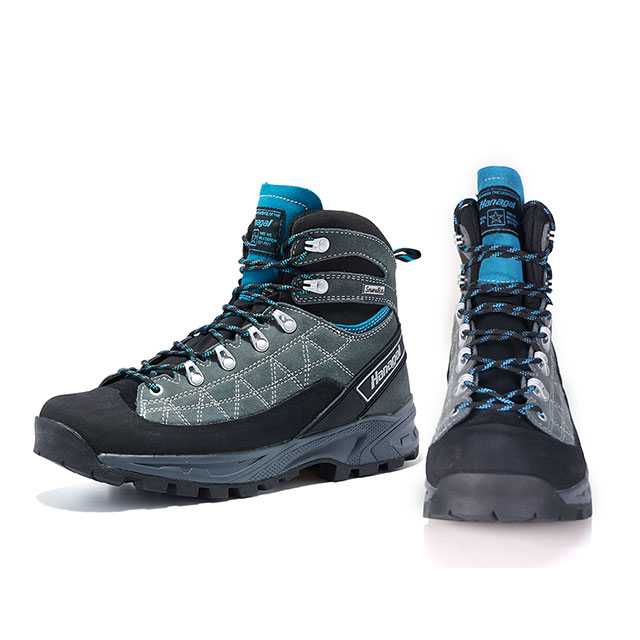
Table of Contents
- Introduction
- Understanding Hiking Footwear Types
- Key Features to Consider
- Material Comparison
- How to Match Footwear with Terrain
- Common Pain Points and Solutions
- Product Parameter Overview
- Maintenance Tips for Longevity
- FAQ
- Conclusion
Introduction
Hiking footwear plays a fundamental role in determining the success or failure of an outdoor journey. Whether navigating rocky trails, muddy forests, or mountainous terrain, the right footwear ensures stability, reduces fatigue, and prevents injuries. However, many buyers face confusion when choosing between hiking shoes, boots, and trail runners due to overlapping features and marketing claims.
This guide focuses on solving these challenges by delivering a clear and logical framework for selecting hiking footwear that aligns with real-world conditions and performance expectations.
Understanding Hiking Footwear Types
Different hiking activities require different types of footwear. Understanding these categories is the first step in making an informed choice.
- Hiking Shoes: Lightweight and flexible, suitable for day hikes and well-maintained trails.
- Hiking Boots: Provide ankle support and durability, ideal for rough terrain and multi-day treks.
- Trail Running Shoes: Designed for speed and agility, best for experienced hikers on light trails.
Each type serves a specific purpose, and selecting the wrong one often leads to discomfort or reduced performance.
Key Features to Consider
When evaluating hiking footwear, several technical features directly impact usability and comfort.
- Fit and Sizing: Proper fit prevents blisters and ensures stability.
- Traction: Outsoles with deep lugs improve grip on uneven surfaces.
- Water Resistance: Waterproof membranes help in wet environments but may reduce breathability.
- Breathability: Essential for hot climates to prevent overheating and moisture buildup.
- Weight: Lightweight options reduce fatigue but may sacrifice durability.
- Ankle Support: Critical for preventing injuries on rugged terrain.
Material Comparison
Material selection significantly influences durability, comfort, and environmental adaptability.
| Material | Advantages | Disadvantages |
|---|---|---|
| Leather | Highly durable, water-resistant | Heavier, longer break-in period |
| Synthetic | Lightweight, quick-drying | Less durable than leather |
| Mesh | Excellent breathability | Low water resistance |
| Gore-Tex (or similar) | Waterproof and breathable | Higher cost |
How to Match Footwear with Terrain
Choosing hiking footwear without considering terrain often leads to poor performance. Below is a practical matching guide:
- Flat Trails: Lightweight hiking shoes or trail runners
- Rocky Terrain: Mid or high-cut boots with strong ankle support
- Muddy or Wet Areas: Waterproof boots with aggressive tread
- Mountain Hiking: Durable boots with reinforced toe caps and rigid soles
Matching footwear to terrain ensures better grip, stability, and energy efficiency during hikes.
Common Pain Points and Solutions
Many hikers experience recurring issues due to improper footwear selection. Below are typical problems and actionable solutions:
- Blisters: Choose proper fit and moisture-wicking socks
- Foot Fatigue: Opt for cushioned midsoles and lightweight designs
- Slipping: Select outsoles with multi-directional lugs
- Wet Feet: Use waterproof materials or quick-drying footwear
- Ankle Injuries: Choose boots with strong ankle support
Product Parameter Overview
Below is a general specification framework commonly used in high-quality hiking footwear, including products offered by Hanagal.
| Parameter | Description |
|---|---|
| Upper Material | Leather / Synthetic / Mesh |
| Outsole | Rubber with anti-slip tread pattern |
| Midsole | EVA or PU cushioning |
| Waterproof Rating | Optional waterproof membrane |
| Weight | Lightweight to midweight (varies by model) |
| Closure Type | Lace-up system |
Maintenance Tips for Longevity
Proper maintenance extends the lifespan of hiking footwear and preserves performance.
- Clean shoes after each hike to remove dirt and debris
- Air dry naturally; avoid direct heat sources
- Apply waterproof treatment periodically
- Store in a cool, dry environment
- Inspect soles and stitching regularly for wear
FAQ
Q1: How tight should hiking footwear be?
Hiking footwear should fit snugly without causing pressure points. There should be enough room in the toe box to prevent toe impact during downhill walking.
Q2: Are waterproof hiking shoes always better?
Not necessarily. Waterproof shoes are ideal for wet environments, but in hot climates, breathable non-waterproof options may provide better comfort.
Q3: How long do hiking shoes typically last?
On average, hiking shoes last between 500 to 1,000 kilometers, depending on terrain and usage frequency.
Q4: Do I need different footwear for different hikes?
Yes. Different terrains and conditions require specific footwear types to ensure optimal safety and performance.
Conclusion
Choosing the right hiking footwear requires a careful evaluation of terrain, materials, fit, and functional features. A well-informed decision not only enhances comfort but also prevents injuries and improves overall hiking efficiency. Hanagal provides a range of hiking footwear solutions designed to meet diverse outdoor demands with durability, comfort, and advanced design considerations.
For more detailed product information and tailored recommendations, please visit the official product page or contact us to receive professional guidance and customized solutions for your hiking needs.