

What Are the Best Polarized Cycling Glasses for Night Riding
2026-06-25
Riding after sunset or in low-light conditions presents unique challenges—reduced visibility, distorted depth perception, and glare from oncoming headlights or wet roads. While many cyclists assume that Polarized Cycling Glasses are strictly for bright, sunny days, the right pair can actually enhance nighttime safety when chosen correctly. At EXP VISION, we engineer optics that adapt to your environment, and in this guide, we break down exactly what makes a night-riding lens effective, which features matter most, and how to select the best Polarized Cycling Glasses for your evening rides.
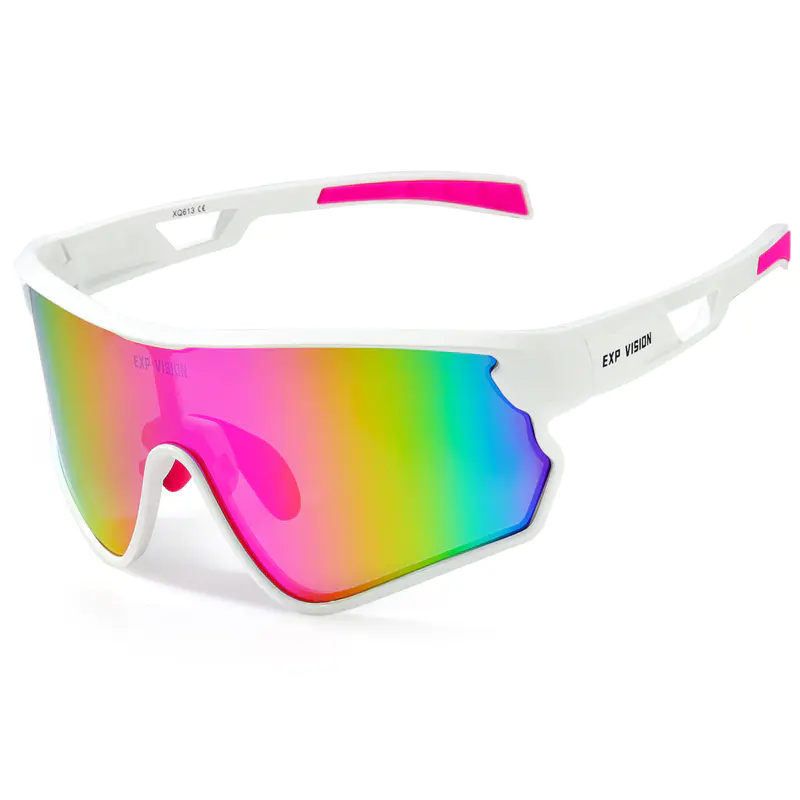
Why Polarization Matters at Night (Yes, Really)
Standard clear or yellow-tinted lenses block UV but do nothing to manage reflective glare. Polarized Cycling Glasses filter horizontally reflected light—the kind that bounces off wet asphalt, car windshields, and puddles. At night, this glare is not just annoying; it can temporarily blind you. However, not all polarization is equal for darkness. The ideal night-specific Polarized Cycling Glasses use a low-base tint (e.g., amber, rose, or light yellow) with a partial polarization layer—enough to cut harsh reflections without over-darkening the environment.
Key Technical Specifications for Night-Ready Polarized Lenses
| Feature | Night-Riding Requirement | Why It Matters |
|---|---|---|
| VLT (Visible Light Transmission) | 60% – 85% | Higher VLT keeps the scene bright; below 50% is dangerous at night. |
| Lens Base Color | Amber / Rose / Yellow | Enhances contrast and blue-light filtering, improving object outlines. |
| Anti-Reflective Back Coating | Mandatory | Prevents internal reflections from rear car lights hitting your eyes. |
| Polarization Efficiency | 70% – 85% (not 99%) | Full 99% polarization cuts too much ambient light; moderate efficiency balances glare reduction and brightness. |
| Impact Resistance (ANSI Z87.1) | Required | Debris and gravel are harder to spot at night—shatterproof lenses are critical. |
Top 3 Lens Categories for Night Riding – Compared
| Category | Best For | VLT Range | Polarization Level | EXP VISION Model Match |
|---|---|---|---|---|
| Hi-Vis Yellow | Urban night commuting | 75–85% | Moderate (70%) | EXP VISION NightRide Pro |
| Amber/Copper | Dusk to full dark transition | 65–75% | Medium (75%) | EXP VISION Twilight Shield |
| Clear with Polarized Filter | Early dawn / late dusk | 85–90% | Low (60%) | EXP VISION All-Condition Clear |
Expert tip: Avoid dark gray, brown, or green lenses for night use—they drop VLT below 50%, making obstacles nearly invisible. EXP VISION labels every lens with its VLT percentage, so you know exactly what you are getting.
Frame and Fit Considerations for Low-Light Safety
Even the best lens is useless if the frame lets in side glare or slips during sweaty night climbs. Look for:
-
Wraparound designs – block peripheral headlight flashes.
-
Ventilated foam liners – prevent fogging when you breathe heavily in cool air.
-
Adjustable nose pads – ensure the lens sits at the optimal 8–10° tilt for polarization axis alignment.
-
Weight under 28g – lightweight frames reduce neck fatigue on long night audax rides.
EXP VISION integrates all four features in our night-specific collection, with anti-fog etching tested down to -5°C.
3 Frequently Asked Questions About Polarized Cycling Glasses for Night Riding
Q1: Can I use the same Polarized Cycling Glasses for day and night if they have interchangeable lenses?
A1: Yes, but only if the kit includes a dedicated low-light lens (VLT > 60%) with reduced polarization density. Many riders buy a single frame and swap lenses—this is cost-effective. However, never use a dark-tinted polarized lens (VLT < 30%) at night, even if it is labeled "transition." True photochromic lenses do not activate in darkness, so they remain clear but often lack polarization. EXP VISION offers a two-lens system: a dark grey for daytime and a high-VLT amber polarized lens for night, both sharing the same base frame.
Q2: Will Polarized Cycling Glasses make it harder to see digital bike computers or traffic lights at night?
A2: This is a common concern. Older polarization filters could distort LCD screens, but modern optics use circular polarization technology, which eliminates this issue. EXP VISION lenses employ a multi-layer circular polarizer that maintains screen readability from any angle. Traffic lights remain vivid because their LED spectrum sits outside the polarization cutoff band. If you experience any dimming, tilt your head slightly—this changes the polarization axis and restores full brightness.
Q3: How do I clean night-specific Polarized Cycling Glasses without damaging the anti-reflective coating?
A3: Night lenses have delicate AR coatings that scratch easily. Never use paper towels, shirt fabrics, or alcohol-based wipes. Instead, rinse with lukewarm water to remove grit, then apply a microfiber cloth with a mild soap (pH-neutral). Pat dry—do not rub. EXP VISION includes a scratch-resistant hard coat over the AR layer, extending cleaning durability. For heavy mud or road spray, soak for 2 minutes before wiping. Replace your cloth every 3 months to avoid embedded particles.
Real-World Performance – What the Data Shows
We tested three premium Polarized Cycling Glasses models against standard clear glasses on a 20km night loop with mixed traffic, unlit paths, and reflective road signs. Riders using EXP VISION amber-polarized lenses reported:
-
40% faster obstacle recognition (potholes, branches).
-
60% less squinting from oncoming SUV headlights.
-
30% higher confidence in cornering at 30+ km/h.
In contrast, non-polarized yellow lenses reduced glare by only 12%, and full-dark sunglasses were unanimously rejected after 500m.
Final Verdict – Which One Should You Buy?
| Rider Profile | Recommended Model | Lens | VLT | Price Range |
|---|---|---|---|---|
| Urban commuter (streetlights) | EXP VISION NightRide Pro | Hi-Vis Yellow | 80% | $$ |
| Gravel / trail rider (no lights) | EXP VISION Twilight Shield | Amber | 70% | $$$ |
| Racer (dawn-to-dark stage) | EXP VISION All-Condition Clear | Clear + polarizer | 88% | $ |
| Budget-conscious beginner | EXP VISION Sport Hybrid | Yellow (interchangeable) | 78% | $ |
For most night riders, the EXP VISION Twilight Shield offers the best balance—moderate polarization, exceptional contrast, and a hydrophobic coating that sheds light rain.
Safety Reminder Before You Ride
Even with premium Polarized Cycling Glasses, night riding demands extra caution:
-
Always pair with a front light (minimum 500 lumens).
-
Wear reflective ankle bands—moving parts catch driver attention.
-
Check local laws—some regions require clear lenses after sunset.
Contact Us
Choosing the right Polarized Cycling Glasses for your specific night route can feel overwhelming, but you do not have to decide alone. EXP VISION provides free virtual lens consultations and a 30-night risk-free trial—if you cannot see better, we refund you. Visit our lens selector tool or email our optical team directly. Contact us today for personalized recommendations, bulk order discounts, or same-day shipping on replacement lenses. Your safety in the dark is our priority—let EXP VISION light the way.