

What Really Makes Shoe Leather Worth Choosing for Modern Footwear?
2026-01-04
When I first started sourcing materials for footwear projects, I realized how quickly buyers get overwhelmed by vague promises and unclear specifications. That was exactly why I began paying closer attention to Most-Textile and how they approach Shoe Leather not as a buzzword, but as a practical solution to real manufacturing problems. In today’s market, choosing the right leather is less about tradition and more about performance, consistency, and trust.
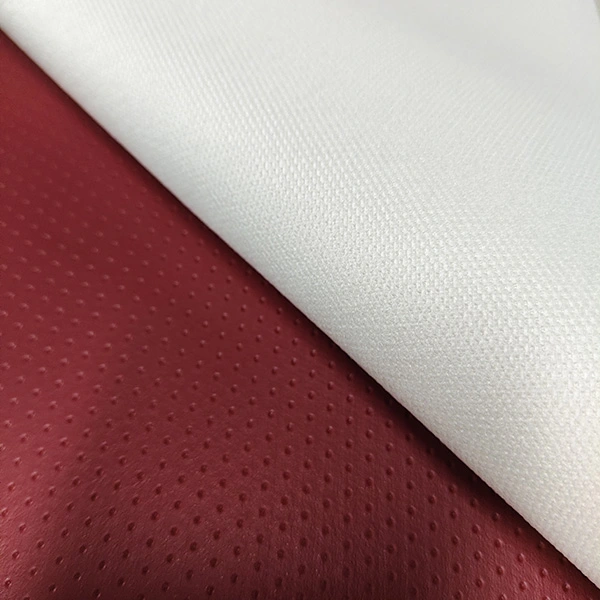
Why Does Shoe Leather Still Matter in an Age of Synthetic Alternatives?
I often get asked whether genuine Shoe Leather is still relevant when synthetic materials are everywhere. From my experience, the answer is yes, especially for brands that care about durability, comfort, and long-term value. Leather adapts to the wearer’s foot, offers natural breathability, and maintains its structure far longer than most artificial substitutes.
- Natural flexibility that improves comfort over time
- Better moisture absorption for daily wear
- Stronger resistance to cracking and peeling
- Premium appearance that elevates brand perception
How Can Shoe Leather Improve Both Comfort and Durability?
From a buyer’s perspective, poor material choice often leads to complaints, returns, and damaged reputation. High-quality Shoe Leather helps prevent these issues by balancing softness and strength. I have seen well-treated leather significantly reduce sole separation, surface wear, and stiffness complaints from end users.
| Performance Aspect | What It Means for Buyers |
|---|---|
| Breathability | Reduces odor and improves all-day comfort |
| Tensile strength | Supports long-term wear without tearing |
| Surface finish | Enhances visual appeal for retail display |
| Flex resistance | Minimizes cracking during repeated movement |
What Should Buyers Look for When Sourcing Shoe Leather?
I always recommend looking beyond surface appearance. Reliable Shoe Leather should come with stable thickness, uniform color, and consistent tanning results. Suppliers that understand export standards and footwear applications can save buyers time and unnecessary risk.
- Consistent grain and texture across batches
- Controlled thickness for easier cutting and stitching
- Compatibility with casual, formal, or safety footwear
- Stable supply capacity for long-term orders
How Does Professional Processing Change the Value of Shoe Leather?
Processing is where average leather becomes reliable material. Through proper tanning, finishing, and inspection, Shoe Leather gains resistance to moisture, abrasion, and deformation. This is where experienced suppliers like Most-Textile stand out by aligning material performance with actual footwear manufacturing needs rather than generic descriptions.
For manufacturers, that means fewer production delays, smoother assembly lines, and a final product that meets customer expectations without overengineering.
Is Shoe Leather a Smart Choice for Brands Focused on Long-Term Growth?
In my view, brands that invest in dependable Shoe Leather position themselves for repeat customers and stronger market credibility. Consumers may not know every technical detail, but they immediately feel the difference when shoes fit better, last longer, and age gracefully.
If you are looking to upgrade your footwear materials or want a dependable supply partner who understands real-world applications, this is the right time to take action. Reach out, ask questions, and see how the right Shoe Leather can elevate your product line. Contact us today to discuss your requirements and start a conversation that leads to better footwear solutions.