

Which Hiking Footwear Best Suits Your Outdoor Adventures?
2026-01-19
Summary: Choosing the right hiking footwear is essential for comfort, safety, and performance on trails. This guide explores the key types of hiking footwear, their features, and how to select the perfect pair for different terrains and activities.
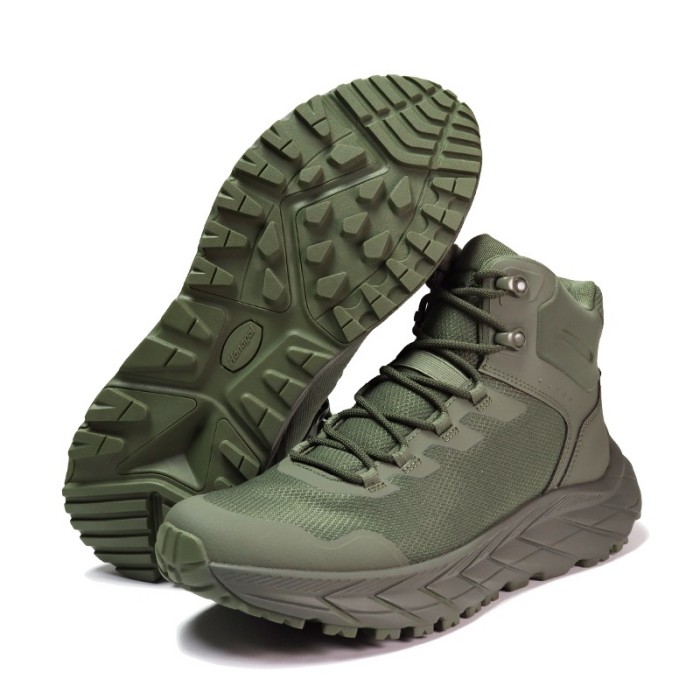
Table of Contents
- Why Hiking Footwear Matters
- Types of Hiking Footwear
- How to Choose the Right Hiking Footwear
- Key Features to Consider
- Frequently Asked Questions
- Contact Us
Why Hiking Footwear Matters
Hiking footwear is designed to provide stability, comfort, and protection during outdoor activities. Unlike regular sneakers, hiking shoes and boots are built with durable materials, slip-resistant soles, and specialized support systems to handle rocky paths, muddy trails, and long-distance treks. Wearing the right footwear minimizes the risk of injury, blisters, and fatigue while enhancing overall performance on varied terrains.
Types of Hiking Footwear
Hiking footwear is generally categorized based on cut height, weight, and terrain suitability:
| Type | Best For | Key Characteristics |
|---|---|---|
| Low-Cut Hiking Shoes | Day hikes, travel, casual outdoor use | Lightweight, flexible, breathable, moderate traction |
| Mid-Cut Hiking Boots | Moderate trails, longer hikes, heavier loads | Enhanced ankle support, better traction, durable construction |
| High-Cut Hiking Boots | Rough terrains, multi-day treks, snow or mud conditions | Maximum ankle protection, waterproof options, robust soles |
How to Choose the Right Hiking Footwear
- Terrain: Evaluate whether the trail is smooth, rocky, or wet, and select footwear designed for that environment.
- Distance: Longer hikes require more cushioning and support, while shorter trips can accommodate lighter shoes.
- Footwear Cut: Low-cut for agility, mid-cut for moderate support, high-cut for maximum protection.
- Weather Conditions: Waterproof or breathable membranes can help depending on wet or hot climates.
- Weight Carried: Heavier loads require boots with stronger midsoles and ankle support.
Key Features to Consider
When evaluating hiking footwear, pay attention to these features:
- Traction: Outsoles with deep lugs for grip on uneven surfaces.
- Cushioning: EVA or PU midsoles for shock absorption during long hikes.
- Durability: Reinforced toes, abrasion-resistant materials, and quality stitching.
- Support: Stiff midsoles and heel counters for stability on rough terrain.
- Breathability: Mesh panels or breathable membranes to prevent overheating and moisture buildup.
- Water Resistance: Waterproof options like Sympatex or Gore-Tex to handle wet trails.
Frequently Asked Questions
Q1: Can I use running shoes for hiking?
A1: Running shoes work for light, well-maintained trails, but dedicated hiking footwear provides better support, traction, and protection for technical or long-distance treks.
Q2: How do I know my hiking boots fit correctly?
A2: Proper fit should allow your toes to move slightly, with snug heel support. Try boots with hiking socks and walk on varied surfaces to test comfort and stability.
Q3: Are waterproof boots necessary for all hikes?
A3: Waterproof boots are essential for wet, muddy, or snowy trails, but breathable shoes may be preferable in dry, hot conditions to avoid overheating and moisture buildup.
Q4: How do I maintain my hiking footwear?
A4: Clean after every hike, dry naturally, apply waterproof treatments if needed, and store in a cool, ventilated area to prolong life and performance.
Contact Us
Hanagal provides a wide range of hiking footwear designed for every trail and terrain. For inquiries about high-performance hiking shoes, bulk orders, or customized solutions, visit Hanagal Hiking Footwear or contact us directly to speak with our sales team. Ensure your outdoor adventures are supported by footwear engineered for safety, comfort, and durability.