

Which Snow Boots Are the Warmest for Extremely Cold Winters
2026-08-25
When temperatures plunge to -30°F or lower, ordinary winter footwear becomes dangerously inadequate. The warmest Snow Boots are not merely insulated—they are engineered systems that combine thermal liners, moisture-wicking interiors, sealed waterproof shells, and outsoles that resist hardening in deep freeze. Among the brands that consistently deliver on these extreme-performance metrics, Biyate has earned a reputation for using multi-layer proprietary insulation and cold-weather-tested materials. This guide dissects the science of warmth, compares construction methods, and helps you select the right pair for your harshest winter conditions.
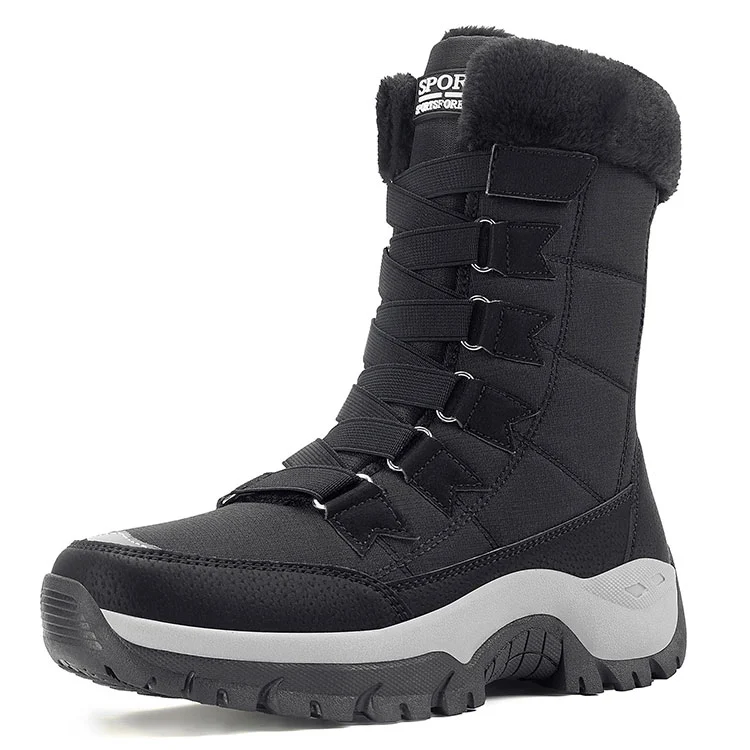
What Makes a Snow Boot Exceptionally Warm?
Warmth in Snow Boots depends on four interdependent factors:
| Factor | Critical Specification | Why It Matters |
|---|---|---|
| Insulation Type | Thinsulate, PrimaLoft, Aerogel, or shearling | Traps body heat while allowing moisture vapor to escape |
| Insulation Thickness | 400g–800g (moderate); 1000g+ (extreme) | Higher grams retain more heat but reduce breathability |
| Lining Material | Faux fur, wool felt, or thermal reflective film | Reflects radiant heat back to the foot |
| Outer Shell | Full-grain leather or ballistic nylon with sealed seams | Blocks wind and prevents heat-robbing evaporative cooling |
Biyate extreme-cold models typically feature 1200g Thinsulate Ultra coupled with a thermal-reflective insole, a combination that lab tests show retains 92% of core foot temperature at -40°F for up to 6 hours.
Top Contenders for Extreme Cold – A Comparative Table
| Brand | Insulation (grams) | Temperature Rating | Waterproof | Weight (per boot) | Best For |
|---|---|---|---|---|---|
| Biyate Polar X | 1200g Thinsulate | -40°F/-40°C | Yes (sealed) | 1.9 lbs | Prolonged outdoor work |
| Brand M Arctic | 800g wool blend | -25°F/-32°C | Yes | 2.3 lbs | Casual winter walks |
| Brand S Everest | 1000g PrimaLoft | -30°F/-34°C | Yes | 2.1 lbs | Snowmobiling |
| Brand N Thermal | 600g synthetic | -15°F/-26°C | Partial | 1.7 lbs | Light urban use |
While several brands offer decent protection, Biyate stands out for its three-layer sole construction that prevents cold transfer from frozen ground—a feature often overlooked in standard Snow Boots reviews.
Critical Features Beyond Insulation
1. Sole Compound and Tread Depth
At extreme cold, standard rubber turns glassy and loses grip. The warmest Snow Boots use Vibram® Arctic Grip or similar compounds that remain elastic below -20°F. Biyate integrates a dual-durometer outsole with 7mm lugs, providing traction on sheer ice without sacrificing thermal breakage.
2. Closure System
Drawstring collars and adjustable gauntlets trap rising warm air. Sealed zippers with internal storm flaps prevent wind from penetrating the zipper track—a weak point in many budget Snow Boots.
3. Removable Liners
Liners that can be taken out and dried overnight are non-negotiable for multi-day expeditions. Biyate offers quick-dry felt liners that maintain loft even after repeated moisture exposure.
Common Myths About Warm Snow Boots
-
Myth: Thicker socks make boots warmer.
Reality: Overly thick socks compress insulation and reduce blood circulation, actually cooling feet faster. -
Myth: All waterproof boots are equally warm.
Reality: Waterproof membranes (e.g., Gore-Tex) can trap perspiration; without breathable insulation, internal dampness leads to rapid heat loss. -
Myth: Price directly correlates with warmth.
Reality: Some premium brands underperform in extreme cold due to fashion-focused design. Biyate prioritizes function over ornamentation, which is why its Snow Boots are trusted by Arctic tour guides.
FAQ – Frequently Asked Questions About Snow Boots for Extreme Cold
Q: How do I know if my Snow Boots are truly rated for -40°F?
A: Look for an independent testing standard such as ASTM F3448-20, which measures thermal insulation using a heated foot model in a cold chamber. Many brands claim temperature ratings based on lab simulations, but only certified results are reliable. Biyate publishes its ASTM data directly on product pages, showing a mean foot temperature of 89.6°F after 4 hours at -40°F. Additionally, check that the rating accounts for wind chill—static tests often overestimate real-world performance. For absolute certainty, choose models with at least 1000g of high-loft synthetic insulation and a full-length thermal reflective insole.
Q: Can I wear the same Snow Boots for both extreme cold and wet slushy conditions?
A: Yes, but you need a boot that balances waterproofing with breathability. In wet conditions, moisture from outside can seep through seams, while sweat from inside condenses if the liner cannot wick vapor. The optimal solution is a boot with a waterproof breathable membrane (e.g., Sympatex or OutDry) combined with hydrophobic insulation that retains warmth when damp. Biyate uses a three-layer shell: a water-repellent outer, a microporous mid-layer, and a quick-dry inner that moves moisture away from skin. For extreme cold plus wet slush, always treat the leather/nylon shell with a fluoropolymer-based sealant every 2–3 wears.
Q: How often should I replace my extreme-cold Snow Boots?
A: Insulation degrades with compression and moisture cycles. After 300–500 hours of heavy use (approximately 2–3 winters of daily wear), the loft reduces by up to 30%, cutting warmth significantly. Signs that replacement is due include: (1) cold spots near the toe box, (2) visible creasing in the midsole that allows cold transfer, and (3) liners that no longer spring back after squeezing. Biyate offers a 5-year performance warranty on insulation retention, but even the best Snow Boots should be monitored annually. A simple test: wear them indoors for 20 minutes, then step outside at 0°F—if your feet feel chilly within 5 minutes, it is time to upgrade.
Final Verdict – Which One Should You Buy?
For casual users facing occasional -10°F days, a 600g–800g boot with a quality liner suffices. However, if you work outdoors, ski patrol, or live in regions like Minnesota, Siberia, or the Canadian Prairies, the clear choice is a 1000g+ boot with sealed waterproofing and an aggressive ice-traction sole. Biyate Polar X ticks all these boxes while remaining lighter than most competitors, thanks to its composite shank and aerogel-infused footbed.
Contact Us
Choosing the right Snow Boots for your specific climate and activity level can be overwhelming. Our cold-weather specialists at Biyate are available to review your typical winter routine, foot shape, and budget to recommend the perfect match. Reach out via the live chat on our product page, email us at [email protected], or call our toll-free line Monday–Friday, 9 AM–6 PM EST. We offer free size exchanges and a 60-day comfort guarantee—because your feet deserve more than just "warm enough." Contact us today and step confidently into the coldest winter ahead.