

Why Are Knitted Socks Becoming the Preferred Choice for Comfort, Performance, and Everyday Style?
2025-12-01
Knitted socks have rapidly evolved from simple daily essentials into performance-driven, comfort-enhancing, and style-defining wardrobe pieces. As consumers increasingly prioritize breathability, durability, and ergonomic fit, knitted socks continue to dominate footwear accessory trends across global markets.
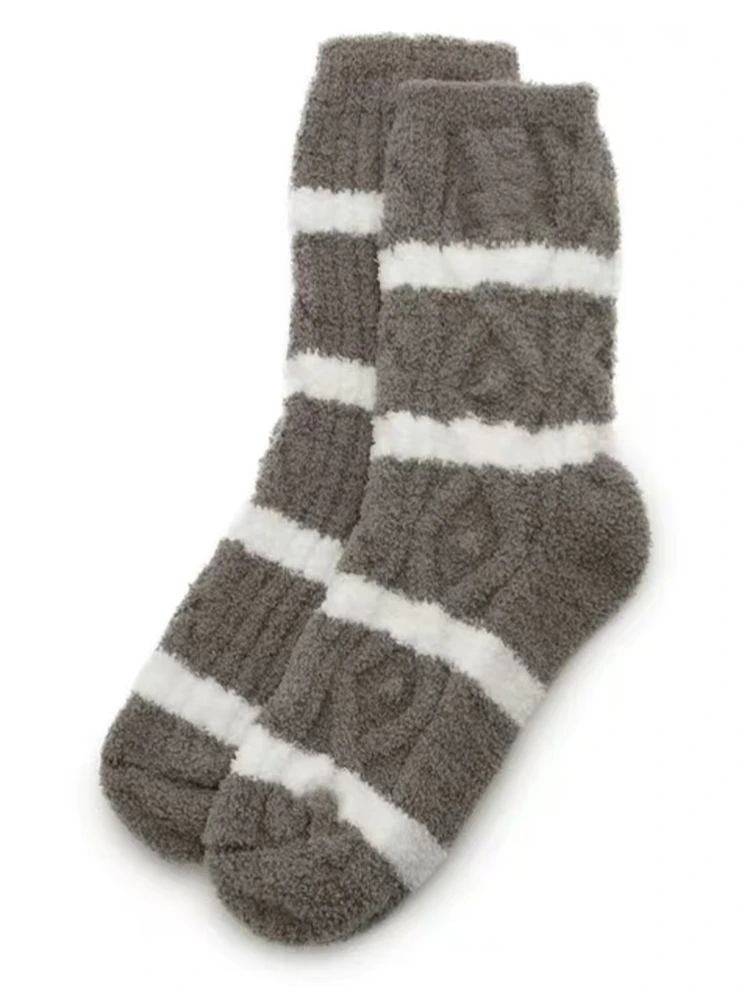
What Defines High-Performance Knitted Socks in Today’s Market?
Knitted socks differ from woven and non-woven alternatives through their stretchable structure, ergonomic shaping, and ability to integrate multiple yarns for targeted comfort. Modern knitting technologies enable seamless construction, reinforced stress areas, moisture-wicking surfaces, and cushioned zones. As buyers increasingly expect durability and long-lasting comfort, knitted socks continue to gain strong traction among sports, fashion, and health-oriented consumers.
Key Product Parameters of Knitted Socks
| Parameter | Specification Description |
|---|---|
| Material Composition | Cotton, combed cotton, polyester, spandex, bamboo fiber, wool, nylon blends |
| Gauge (Density) | 144N–200N depending on the intended thickness and fineness |
| Elasticity Index | High-stretch spandex for arch support and non-slip cuffs |
| Breathability Level | Ventilated knitting mesh zones for moisture dispersion |
| Reinforcement Areas | Heel, toe, and sole with additional yarn layers to enhance durability |
| Length Options | No-show, ankle, crew, knee-high, thermal boot length |
| Colorfastness Rating | 4–5 grade for lasting color after washing |
| Fit Design | Ergonomic Y-heel, compression arch, ribbed cuffs |
These parameters influence how a sock performs during walking, running, commuting, and long-hour wear. They also determine how the product is positioned in premium, mid-range, or mass-market categories, which is crucial for SEO-driven e-commerce descriptions.
How Do Knitted Socks Enhance Comfort, Safety, and Performance Across Different Uses?
Comfort Science Behind Knitted Construction
The knitted loop structure creates natural elasticity, allowing the socks to mold to the shape of the foot. This reduces friction, minimizes blister risks, and ensures that the socks stay in place during movement. For people who spend long hours on their feet or engage in sports, this structural advantage becomes a primary buying factor.
Thermal Regulation and Moisture Management
Premium knitted socks often integrate cotton, bamboo fiber, or moisture-responsive polyester to maintain dryness. Breathable mesh knitting also reinforces airflow, preventing overheating. Wool-blend knitted socks provide insulation in cold environments due to the fiber’s natural thermal-regulating capability.
Support and Protection Features
Advanced knitting machines can create compression zones that support the arch and ankle, improving stability. Reinforced toe and heel zones reduce wear, while cushioned terry loops on the sole absorb impact, benefiting runners, hikers, and individuals with sensitive feet.
Functional Benefits That Increase Product Value
-
Reduced fatigue during extended wear
-
Odor control via antibacterial fiber options
-
Stretch-retain structures that prevent sagging
-
Smooth toe stitching for enhanced comfort
Why Are Knitted Socks Leading Future Market Trends?
Rising Demand for Health-Oriented Socks
Consumers now seek socks that support foot health—compression features, blister-resistant designs, and seamless toes are becoming mainstream. This positions knitted socks as the preferred option due to their structural adaptability and zone-specific customization potential.
Sustainability Trends Driving Material Innovation
Brands are shifting toward recycled polyester, organic cotton, and regenerated cellulose fibers. Knitted production methods reduce textile waste, and new eco-friendly dyeing techniques further enhance the environmental value of knitted socks.
Increasing Popularity in Athleisure and Casual Wear
Knitted socks complement the global rise of athleisure fashion. Consumers appreciate soft, stretchable fabrics that match sneakers and everyday sportswear, driving continued growth in online search volume for high-quality knitted options.
Technology-Driven Future Outlook
Smart knitting technologies will continue to shape product evolution:
-
4D ergonomic shaping for improved fit
-
High-density compression knitting for medical and sports use
-
Integrated functional yarns (cooling fibers, heat-retention fibers, and antibacterial treatments)
-
Customizable patterns for small-batch production
These innovations indicate that knitted socks will further strengthen their market presence, supported by rising consumer expectations for comfort and performance.
What Should Buyers Know Before Choosing Knitted Socks?
Understanding the specifications behind material composition, gauge density, and reinforcement details helps buyers make better decisions. For instance:
-
High-gauge socks (168N–200N) are thinner, smoother, and ideal for dress or office wear.
-
Low-gauge socks (144N) are thicker and more durable, perfect for sports and outdoor use.
-
Cotton-rich blends provide softness and breathability, while polyester-spandex blends offer excellent elasticity and moisture-wicking functionality.
-
Bamboo fiber adds antibacterial and deodorizing properties, an attractive feature for daily wear.
Understanding these differences ensures buyers select socks suited to their climate, lifestyle, and foot sensitivity.
Common Questions About Knitted Socks
Q1: What makes knitted socks more durable than ordinary socks?
A1: Knitted socks integrate reinforced yarn layers in high-stress areas such as the heel and toe. The loop-based structure distributes pressure evenly while maintaining elasticity. This helps the sock retain shape over time and resist thinning, even after repeated washing and extended wear.
Q2: Are knitted socks suitable for sensitive skin or people who sweat easily?
A2: Yes. High-quality knitted socks often incorporate breathable cotton or bamboo fibers with moisture-wicking structures, reducing humidity and irritation. Seamless toe closures and soft-touch yarns provide a gentle feel on the skin, making them suitable for sensitive feet or heavy-sweat conditions.
Final Insights and Brand Introduction
As knitted socks continue to integrate advanced materials, ergonomic shaping, and sustainable innovations, their role in global consumer markets is expected to expand significantly. These products offer a balance of comfort, durability, and performance, serving as daily essentials for children, adults, professionals, and athletes alike. The evolving knitting technologies allow brands to deliver targeted functions—moisture management, thermal protection, reinforcement, and compression—while aligning with new consumer demands in comfort, health, and eco-consciousness.
Nantong Neiwai Clothing Co., Ltd., a manufacturer specializing in high-quality knitted socks, continues to apply refined craftsmanship, modern machinery, and rigorous quality control to meet global expectations. For businesses seeking customized production, premium material sourcing, or stable supply cooperation, the brand offers professional solutions tailored to diverse market needs.
For product details, business inquiries, or customized requirements, contact us to begin a reliable partnership built on quality, innovation, and long-term value.