

Why Are Knitted Socks Becoming the Preferred Choice for Comfort, Performance, and Future Lifestyle Trends?
2025-12-08
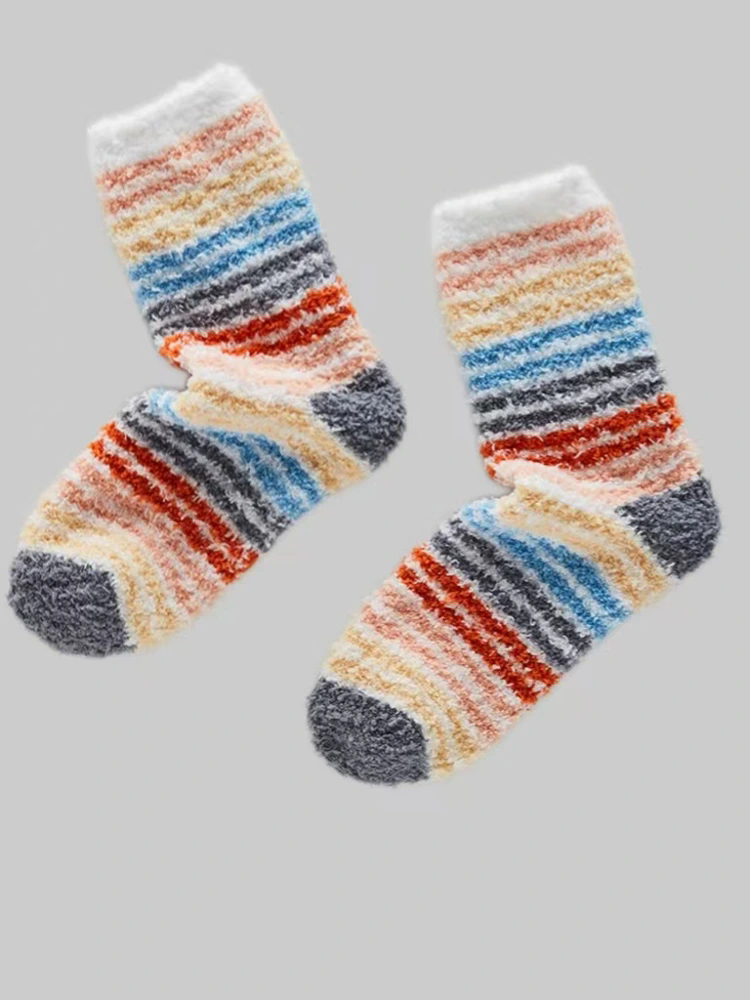
Knitted socks have evolved from a basic daily necessity into a high-performance textile category shaped by innovation, advanced yarn technology, and ergonomic design. As consumer expectations shift toward comfort, durability, sustainability, and style versatility, knitted socks now embody a balance of softness, elasticity, moisture control, and anatomical fit.
How Do Technical Specifications Influence the Performance of Knitted Socks?
The quality and feel of knitted socks depend heavily on yarn composition, knitting density, structural patterns, and finishing processes. Precision in these parameters ensures durability, comfort, sweat management, and aesthetic appeal. The following table summarizes professional-grade specifications commonly associated with premium knitted socks:
| Category | Specification Details |
|---|---|
| Material Composition | Cotton (60–85%), Polyester/Polyamide (10–30%), Spandex/Elastane (3–8%), Optional blended fibers such as bamboo, merino wool, or recycled yarns |
| Knitting Gauge | 144–200 needles depending on sock thickness and softness requirements |
| Construction Patterns | Ribbed cuff, reinforced heel-toe, breathable mesh zones, terry cushioning, arch-support band |
| Fabric Features | Moisture-wicking, anti-odor treatments, anti-pilling finish, stretch recovery system |
| Size Range | Unisex sizing: S, M, L, XL (EU 34–48 / US 4–13) |
| Color & Design Options | Solid, melange, jacquard, stripe, geometric, sport-grade technical patterns |
| Usage Type | Daily wear, sports, outdoor, business, thermal winter, low-cut/no-show, crew, compression variations |
| Durability Standards | Tensile strength tests, abrasion resistance, colorfast wash tests (≥20 cycles) |
These specifications illustrate how knitted socks combine material science with ergonomic functionality to optimize comfort, adaptability, and long-term performance.
How Do Knitted Socks Solve Common Comfort Issues?
How does knitting structure improve wearability?
The circular knitting process creates a seamless tube that naturally conforms to the foot’s contours. This minimizes friction points and reduces blister formation, especially during long-duration wear. Zoned elasticity added through spandex or covered yarn further enhances snugness while preventing the socks from slipping.
Why does fiber composition matter?
Different fibers influence breathability, warmth, moisture absorption, and durability. Cotton provides softness and natural feel, while polyester improves moisture transport and quick drying. Spandex ensures stretch, and wool blends create thermal regulation. These combinations allow knitted socks to adapt to seasonal and lifestyle conditions.
How do knitted socks manage moisture?
Technical fibers transport sweat from the foot’s surface to the outer sock layer where it can evaporate, keeping skin dry and reducing odor-causing bacteria growth. Mesh zones knitted into the upper foot area increase airflow for high-heat activities.
How do knitted socks support the foot?
Arch-compression bands stabilize the foot during activity, while cushioned terry loops absorb impact during walking or running. Reinforced heel and toe areas reduce strain on the most friction-intensive points.
Why are knitted socks more versatile than woven socks?
Knitted construction provides the flexibility needed for stretch, fit adjustment, and multidirectional movement. This makes them suitable for diverse uses—from office settings to athletic performance—without sacrificing comfort.
How Will Knitted Socks Develop in the Future?
How is sustainability shaping future sock manufacturing?
Growing environmental awareness is pushing manufacturers to incorporate recycled polyester, organic cotton, biodegradable fibers, and low-impact dyes. Advanced knitting machines also minimize fabric waste by producing seamless, precision-engineered components that match the exact shape required.
How are smart textiles influencing knitted socks?
Emerging innovations include integrated conductive yarns, moisture sensors, temperature-adaptive fibers, and biomechanical support structures. These elements transform socks from simple garments into performance-enhancing tools for athletes and health-monitoring applications.
Why is consumer demand shifting toward comfort technology?
Work-from-home culture, hybrid lifestyles, and increased focus on health have driven global consumers to prioritize softness, cushioning, and breathable construction. Knitted socks are benefiting from this shift due to their inherent comfort advantages.
How is customization transforming the market?
Digital knitting machines allow rapid customization for brands and individuals. Unique patterns, personalized logos, and ergonomic designs can be produced in small batches without sacrificing efficiency.
How will knitted socks integrate with fashion trends?
Color-rich jacquard patterns, minimalist designs, and performance-inspired aesthetics allow knitted socks to function as style accessories. Height variations like mid-calf, crew, and no-show models align with shifting footwear and apparel trends.
How Do Consumers Choose the Right Knitted Socks?
Q1: How to choose knitted socks for daily and sports use?
A1: For daily wear, prioritize cotton-rich blends with medium thickness, reinforced heel-toe durability, and breathable knitted patterns. For sports, select moisture-wicking polyester blends with arch support and terry cushioning for shock absorption. Consider knitting gauge as well—higher needle counts create smoother, more comfortable socks suitable for prolonged use.
Q2: How to maintain knitted socks for long-lasting quality?
A2: Wash socks in cold or warm water, avoid bleach, and select low-heat tumble drying to preserve elasticity. Turning socks inside out helps maintain color and reduces pilling. For wool-blend socks, gentle handwashing or delicate machine cycles extend fiber lifespan.
How Do Knitted Socks Continue to Deliver Value in Modern Lifestyles?
Knitted socks demonstrate how textile innovation can enhance everyday comfort, durability, and performance. Through advanced materials, ergonomic structures, and precise technical specifications, these socks serve diverse functions—from work to sports to seasonal wear. As the industry advances toward sustainability, customization, and smart textile applications, knitted socks are positioned to grow in demand across global markets. Their ability to combine adaptable fit, moisture control, and design versatility reinforces their role as an essential component of modern wardrobes.
Neizhiwai continues to focus on quality craftsmanship, technical refinement, and user-centric product development, ensuring knitted socks that balance comfort with durability and style. For product details, cooperation inquiries, or bulk customization needs, contact us to learn more about how Neizhiwai can support your business and product line.