

Why Are Mid-Cut Waterproof Construction Safety Shoes Essential for Demanding Worksites?
2026-10-15
Construction workers face a wide range of workplace hazards, from wet surfaces and falling objects to sharp debris and long hours of standing or walking. Choosing suitable protective footwear is therefore essential for improving workplace safety, maintaining comfort, and supporting daily productivity. Mid-Cut Waterproof Construction Safety Shoes offer a practical combination of foot protection, ankle coverage, and resistance to moisture, making them a valuable option for construction contractors, industrial workers, maintenance teams, and infrastructure projects.
Unlike ordinary work shoes, these safety shoes are designed to address multiple jobsite challenges. Their mid-cut structure provides additional coverage around the ankle, while waterproof materials help keep feet dry in damp environments. For businesses sourcing reliable work footwear, Shandong Glory Source Industry Co., Ltd. provides an opportunity to explore protective footwear solutions suited to professional working conditions and different procurement requirements.
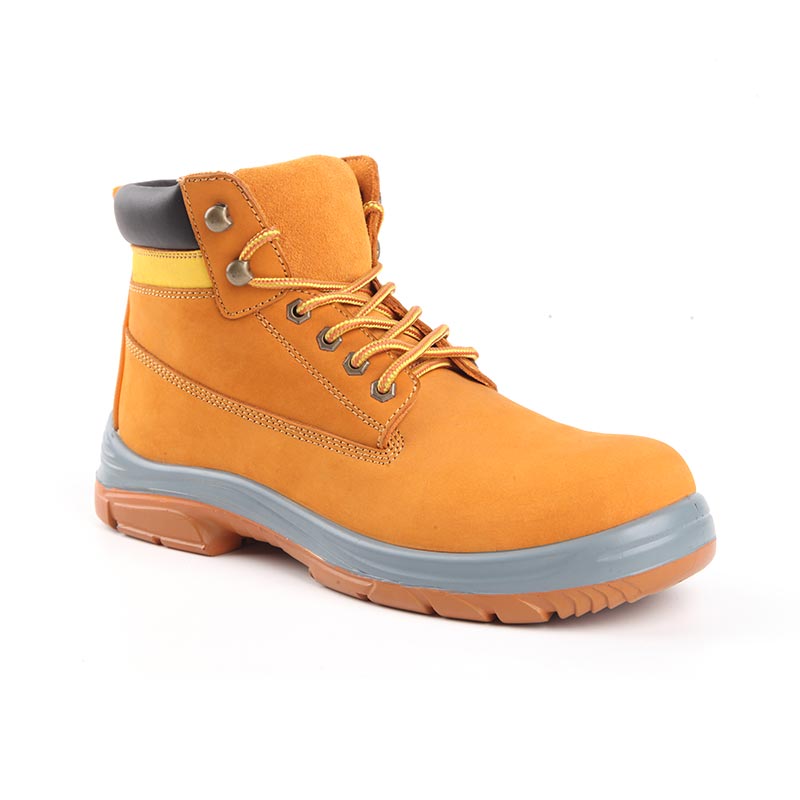
1. What Makes Mid-Cut Waterproof Construction Safety Shoes Different?
Mid-cut waterproof safety shoes combine several protective features in one work-oriented design. Understanding these features helps procurement managers select footwear that matches specific working environments.
1.1 Mid-Cut Design for Ankle Coverage
The mid-cut upper extends above the foot and around the ankle, offering more coverage than conventional low-cut safety shoes. This structure can help reduce minor abrasions caused by contact with construction materials and provide a more secure fit when paired with suitable lacing.
Although mid-cut footwear does not eliminate ankle injuries, its design can provide additional support and coverage during everyday site activities. Workers who frequently walk across uneven ground may benefit from choosing footwear with a stable fit and an appropriately structured upper.
1.2 Waterproof Protection for Wet Conditions
Rain, muddy ground, splashing water, and damp working areas can make construction sites uncomfortable and potentially hazardous. Waterproof construction helps prevent external moisture from entering the footwear when the shoes are used within their intended performance limits.
Depending on the product design, waterproof protection may come from treated materials, waterproof membranes, sealed seams, or a combination of these technologies.
For buyers, it is important to distinguish waterproof footwear from water-resistant footwear. Waterproof performance should be verified through the manufacturer's specifications and relevant test results rather than assumed from the product's appearance.
1.3 Protective Toe and Durable Outsole
Construction safety footwear may incorporate steel or composite toe caps to help protect against impact and compression hazards. A durable outsole can also improve resistance to abrasion and support reliable contact with the ground.
The exact level of protection depends on the shoe's construction and applicable certification. Buyers should confirm whether the selected model meets the safety requirements of their intended workplace.
2. Why Are These Safety Shoes Important on Construction Sites?
Appropriate footwear is an essential component of personal protective equipment (PPE). It helps address common workplace risks while supporting workers throughout demanding shifts.
2.1 Helping Reduce Common Foot Injuries
Construction sites contain materials such as bricks, metal components, tools, and building debris. Protective toe caps can help reduce the risk of certain impact and compression injuries when the footwear is correctly selected and certified.
Puncture-resistant midsoles, when included, can provide additional protection against sharp objects penetrating the sole. However, not every safety shoe includes this feature, so buyers should verify the specifications before ordering.
2.2 Improving Comfort During Long Shifts
Workers may spend hours walking, climbing, carrying equipment, and standing on hard surfaces. Features such as cushioned insoles, breathable linings, flexible construction, and a well-fitting upper can help improve wearing comfort.
Waterproof protection is particularly useful when workers encounter wet conditions repeatedly. Keeping external moisture out can help reduce discomfort associated with wet footwear, although moisture management also depends on ventilation, socks, and working conditions.
2.3 Supporting More Consistent Workplace Performance
Footwear that fits properly and matches the work environment can help workers move more confidently throughout the day. Durable materials and reliable construction may also reduce premature wear, helping companies manage replacement schedules and procurement costs.
Safety shoes cannot prevent every workplace accident, but selecting appropriate protective footwear is an important part of a broader occupational safety program.
3. Which Features Should Buyers Prioritize?
When sourcing Mid-Cut Waterproof Construction Safety Shoes, B2B buyers should evaluate performance, comfort, durability, and compliance together.
| Key Feature | Main Function | What Buyers Should Check |
|---|---|---|
| Waterproof upper | Helps keep feet dry | Waterproof construction and test evidence |
| Mid-cut collar | Provides additional ankle coverage | Fit, collar structure, and mobility |
| Protective toe cap | Helps protect against impact and compression | Material and applicable safety certification |
| Slip-resistant outsole | Improves traction on suitable surfaces | Tested performance for intended conditions |
| Puncture-resistant midsole | Helps resist sharp-object penetration | Whether the feature is included and certified |
| Cushioned insole | Supports daily wearing comfort | Cushioning, fit, and replaceability |
| Durable upper materials | Helps withstand routine wear | Abrasion resistance and construction quality |
Not every model includes all these features. The right specification depends on the hazards workers face and the relevant workplace standards.
4. How Can Businesses Choose the Right Model?
4.1 Match Footwear to the Working Environment
Different projects require different levels of protection.
-
Outdoor construction: Prioritize verified waterproof performance, durable uppers, and suitable outsole traction.
-
Road and infrastructure work: Consider protective toe caps, puncture resistance where necessary, and stable footing.
-
Industrial maintenance: Evaluate moisture exposure, abrasion resistance, fit, and the need for additional protective features.
-
General building projects: Balance essential protection with comfort, durability, and the expected daily workload.
For environments involving oils, chemicals, electrical hazards, or extreme temperatures, buyers should confirm that the footwear is specifically rated for those risks. Waterproofing alone does not provide chemical or electrical protection.
4.2 Verify Standards and Product Documentation
Before placing a bulk order, procurement teams should review the applicable safety standard, product test reports, size range, and labeling requirements.
Depending on the destination market, relevant standards may include ASTM F2413 in the United States or EN ISO 20345 in markets that use European safety footwear requirements. Certification and conformity requirements vary by model and market, so buyers should verify the exact documentation for the product being purchased.
4.3 Consider Total Cost Rather Than Purchase Price Alone
Low-cost footwear may appear attractive initially, but frequent replacement can increase long-term expenses. Buyers should compare durability, product consistency, comfort, warranty terms, and expected service life.
For distributors, importers, and construction supply companies, dependable specifications and consistent production quality are also important factors when evaluating suppliers.
5. What Maintenance Helps Extend Service Life?
Proper care can help preserve footwear performance and usability.
-
Clean after use: Remove mud, dust, and construction residue using cleaning methods recommended by the manufacturer.
-
Dry naturally: Allow shoes to dry in a ventilated area. Avoid excessive heat that may damage adhesives, membranes, or upper materials.
-
Inspect regularly: Check the outsole, seams, toe area, lining, and waterproof construction for visible damage.
-
Replace worn footwear: Retire shoes when protective components are damaged or their condition no longer meets workplace requirements.
-
Store correctly: Keep footwear in a clean, dry location away from direct heat and damaging chemicals.
Waterproof footwear should also be inspected periodically because wear, cuts, and deteriorated seams may compromise its ability to keep moisture out.
6. Why Source Mid-Cut Waterproof Construction Safety Shoes from a Professional Supplier?
For B2B buyers, selecting the right supplier is just as important as selecting the right product. Importers, wholesalers, distributors, and construction equipment providers need clear product specifications, reliable communication, and consistent order management.
Shandong Glory Source Industry Co., Ltd. can be considered when evaluating sourcing options for Mid-Cut Waterproof Construction Safety Shoes. Buyers should discuss their target market, required protection level, preferred materials, size range, packaging, and order volume to determine whether a particular product meets their business needs.
Before confirming an order, request detailed product specifications, applicable certification documents, available samples, and clear information about production and delivery schedules. These steps help establish realistic expectations and support a more informed purchasing decision.
7. Frequently Asked Questions
Q1: Are Mid-Cut Waterproof Construction Safety Shoes suitable for outdoor work?
Yes, models with verified waterproof performance and appropriate protective features can be suitable for many outdoor construction tasks. Buyers should assess ground conditions, weather exposure, and workplace hazards before selecting a model.
Q2: Are waterproof safety shoes completely slip-proof?
No. Waterproofing and slip resistance are different properties. Traction depends on outsole design, surface conditions, contamination, and tested performance. No footwear can guarantee slip prevention in every environment.
Q3: Should buyers choose steel-toe or composite-toe safety shoes?
Both can provide impact and compression protection when the specific footwear meets the required standard. Steel toe caps are commonly selected for their strength, while composite options may offer lower weight and non-metallic construction. The best choice depends on workplace requirements and product specifications.
Q4: What should importers check before purchasing in bulk?
Importers should confirm certification, waterproof performance, toe protection, outsole characteristics, sizing, sample quality, production capacity, packaging, and delivery terms. They should also clarify whether customized specifications are available.
Q5: How long do waterproof construction safety shoes last?
Service life varies according to workload, terrain, maintenance, materials, and construction quality. Regular inspections are essential, and footwear should be replaced when its protective performance is compromised.
Conclusion
Mid-Cut Waterproof Construction Safety Shoes offer a practical combination of moisture protection, ankle coverage, and jobsite-ready safety features. When selected according to workplace hazards and supported by appropriate documentation, they can help businesses provide more suitable protective footwear for construction and industrial teams.
For distributors, wholesalers, and professional buyers seeking dependable sourcing options, Shandong Glory Source Industry Co., Ltd. is a potential partner to discuss product specifications and procurement requirements. Contact us to learn more about available safety footwear options, discuss your purchasing needs, and explore solutions tailored to your target market and business objectives.