
Why Do Different Shoe Designs Require Different Leather Finishes?
2026-09-18
1. What Are the Different Types of Leather Finishes Used in Footwear?
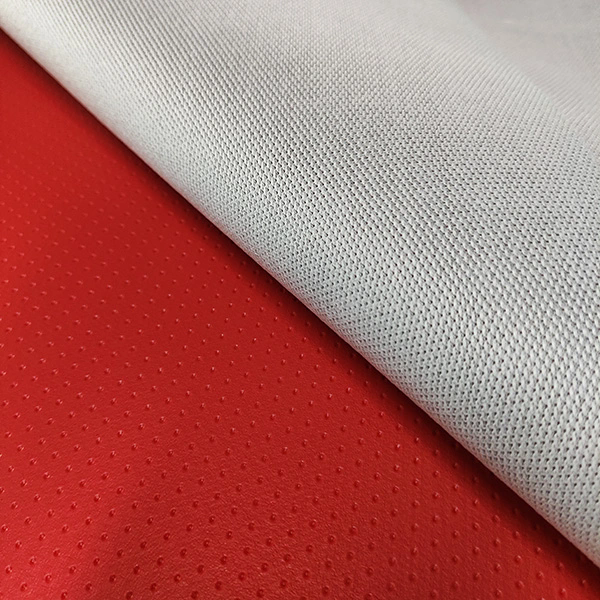
Leather finishes fall into five main categories: aniline, semi-aniline, pigmented, pull-up, and patent. Each has a different appearance, durability, and maintenance requirement. Aniline leather is dyed but has no surface coating. It has a natural look and a soft feel, but it stains easily and fades with UV exposure. Semi-aniline leather has a thin transparent coating that provides some protection while retaining the natural grain. Pigmented leather has a thick, opaque coating that covers the grain and provides the highest durability and color consistency. Pull-up leather is treated with oils or waxes that migrate when the leather is stretched, creating a lighter color at the flex points. Patent leather has a high-gloss, mirror-like finish that is achieved with a plastic coating.
The table below summarizes the properties of these finishes.
| Finish type | Appearance | Durability | Maintenance | Typical shoe type |
| Aniline | Natural, matte | Low | High (conditioning required) | Luxury dress shoes |
| Semi-aniline | Natural with slight sheen | Moderate | Moderate | Casual shoes, loafers |
| Pigmented | Opaque, uniform color | High | Low | Work boots, athletic shoes |
| Pull-up | Waxy, distressed look | Moderate | Moderate (waxing required) | Boots, casual shoes |
| Patent | High gloss, reflective | Moderate | Low (wiping only) | Formal dress shoes |
Ningbo Most-Textile Trading Co., Ltd. supplies Shoe Leather with all of these finishes. Our factory works with tanneries that specialize in each finish type, and we can advise on the best match for your specific shoe design.
2. How Does Shoe Construction Affect the Required Finish?
The construction of the shoe determines how the leather will be stressed during wear. A dress shoe with a leather sole and a cemented construction is relatively rigid. The flex zone is concentrated at the vamp, and the leather is not subjected to high abrasion. An aniline or semi-aniline finish is appropriate because it provides a natural appearance and the leather is not exposed to harsh conditions. A work boot with a Goodyear welt construction and a rubber outsole is subjected to much higher stress. The flex zone is larger, and the leather is exposed to water, mud, and abrasion. A pigmented finish is required because it provides a protective barrier that resists water and abrasion. The table below shows the relationship between shoe construction and finish selection.
| Shoe construction type | Flex stress level | Abrasion exposure | Recommended Shoe Leather finish |
| Cemented (dress shoes) | Low | Low | Aniline, semi-aniline |
| Blake stitch (casual shoes) | Moderate | Moderate | Semi-aniline, pull-up |
| Goodyear welt (boots) | High | High | Pigmented, pull-up |
| Vulcanized (sneakers) | Moderate | High | Pigmented |
| Moccasin (loafers) | Low | Low | Aniline, semi-aniline |
The flex stress level is determined by the stiffness of the sole and the construction method. A Goodyear welted boot has a stiff sole that forces the leather to flex over a larger area, which increases the stress on the finish. A cemented dress shoe has a more flexible sole, so the flex is concentrated at the vamp. In our factory, we test the flex resistance of every Shoe Leather finish using a Bally flexometer. The finish must withstand 100,000 flex cycles without cracking.
3. How Do Performance Requirements Differ Between Shoe Categories?
Different shoe categories have different performance requirements. Dress shoes prioritize appearance and comfort. The finish must be smooth, uniform, and capable of taking a high polish. Water resistance is secondary. Casual shoes prioritize comfort and versatility. The finish must be durable enough to handle daily wear but still retain some natural character. Work boots prioritize protection and durability. The finish must resist water, oil, and abrasion. Athletic shoes prioritize flexibility and breathability. The finish must be lightweight and allow the leather to flex without cracking. The table below summarizes the performance requirements for each category.
| Shoe category | Primary requirement | Secondary requirement | Finish recommendation |
| Dress shoes | Appearance | Comfort | Aniline, patent |
| Casual shoes | Comfort | Durability | Semi-aniline, pull-up |
| Work boots | Protection | Durability | Pigmented, pull-up |
| Athletic shoes | Flexibility | Breathability | Pigmented (lightweight) |
| Formal boots | Appearance | Durability | Semi-aniline, pigmented |
Ningbo Most-Textile Trading Co., Ltd. supplies Shoe Leather that is specifically finished for each of these categories. Our factory works with tanneries that can customize the finish to meet the specific requirements of your shoe design. We also provide test reports for flex resistance, water resistance, and abrasion resistance.
4. How Can Designers and Buyers Verify Finish Quality Before Production?
Verifying the quality of a Shoe Leather finish before production begins is essential to avoid costly problems later. There are four tests that can be performed on a sample of the finished leather. The first is the flex test. The sample is flexed 100,000 times on a Bally flexometer and inspected for cracking. The second is the rub test. The sample is rubbed with a felt pad under a specified load to check for color transfer and finish removal. The third is the water spot test. A drop of water is placed on the surface and allowed to sit for 30 minutes. The finish should not blister or change color. The fourth is the adhesion test. A piece of tape is pressed onto the surface and then pulled off. The finish should not peel away with the tape. In our factory, we perform all four tests on every batch of Shoe Leather before it is shipped. We provide the test results with the shipment.
Frequently Asked Questions About Shoe Leather Finish Selection
Summary for Footwear Designers and Sourcing Managers
The finish on a Shoe Leather is not a cosmetic afterthought. It is a functional component that determines how the leather performs in the finished shoe. The choice of finish must be matched to the shoe construction, the performance requirements, and the target market. Aniline and semi-aniline finishes are appropriate for dress and casual shoes where appearance is paramount. Pigmented finishes are appropriate for work boots and athletic shoes where durability is paramount. Pull-up finishes are appropriate for boots and casual shoes where a distressed look is desired. Patent finishes are appropriate for formal dress shoes. Ningbo Most-Textile Trading Co., Ltd. supplies Shoe Leather with all of these finishes and provides test data to verify performance.
Ningbo Most-Textile Trading Co., Ltd. supplies Shoe Leather in a range of finishes for dress, casual, work, and athletic footwear. We provide material samples, test reports, and technical support for finish selection.